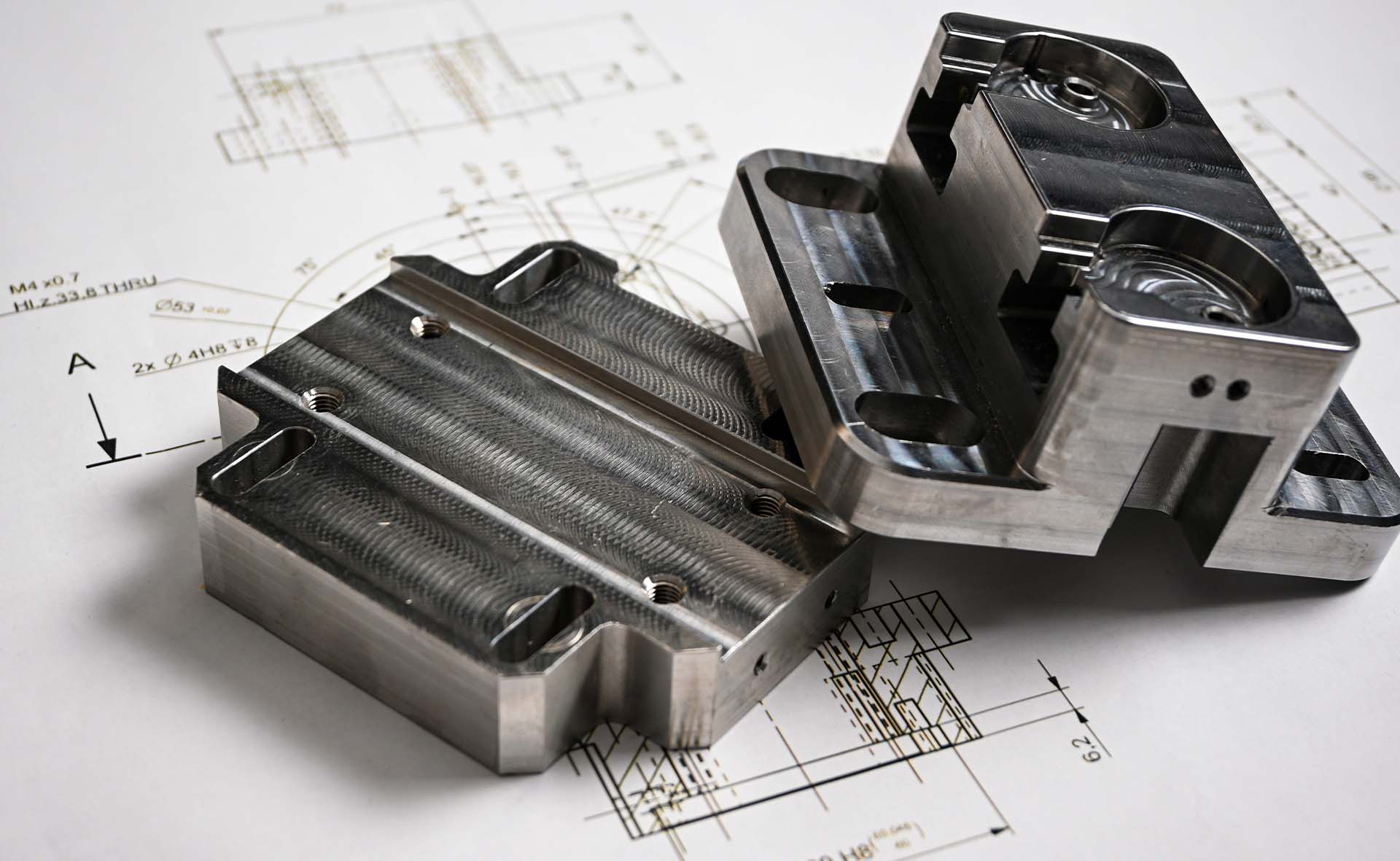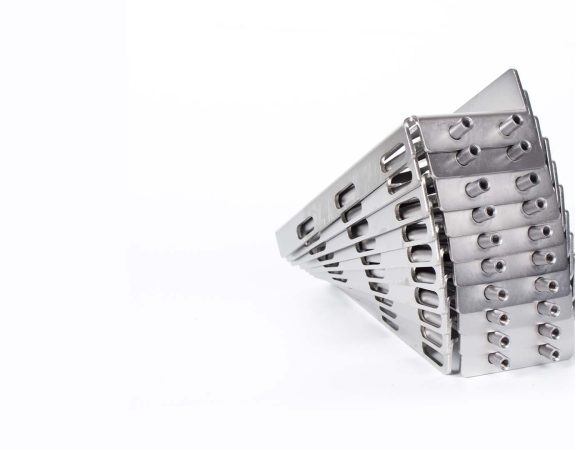
Laser cutting, bending, welding, assembling — Get custom parts as fast as 5 days.
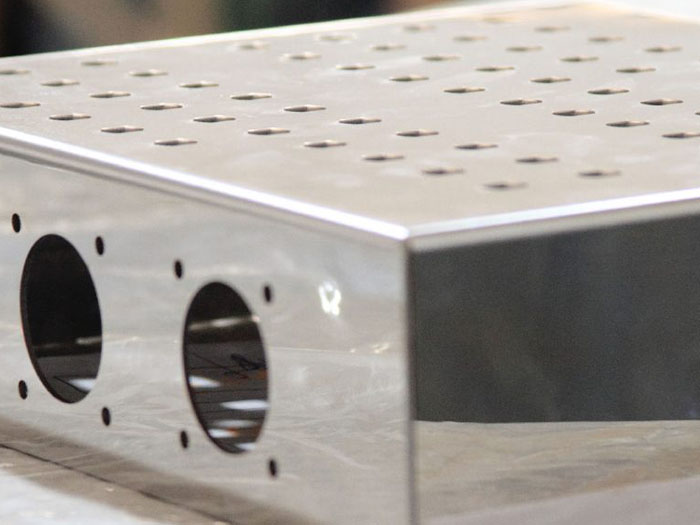
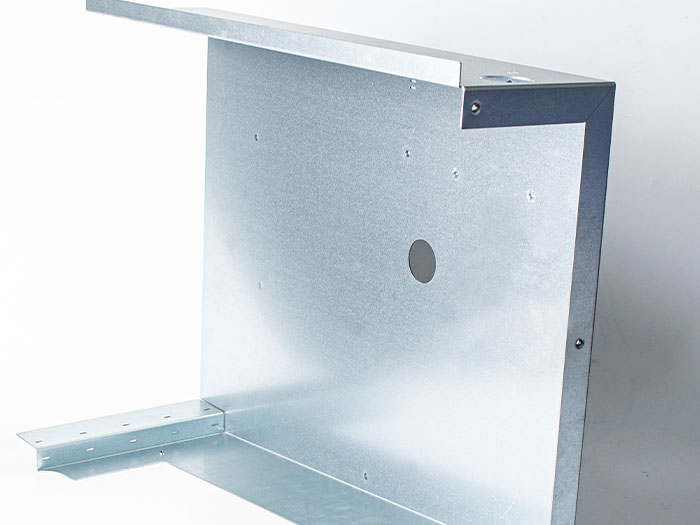
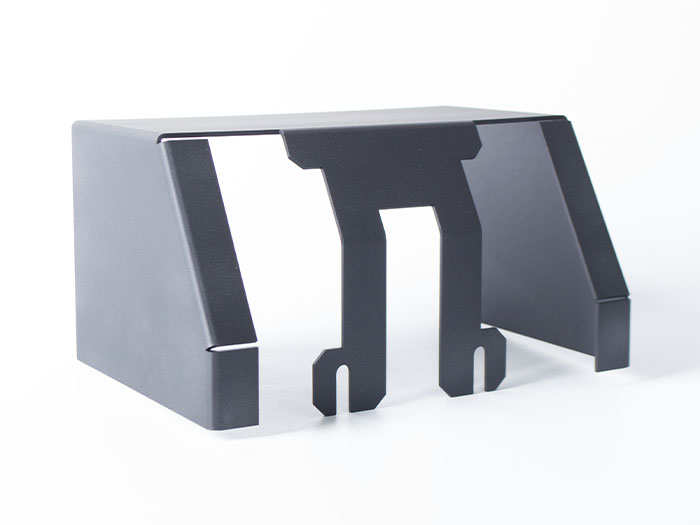
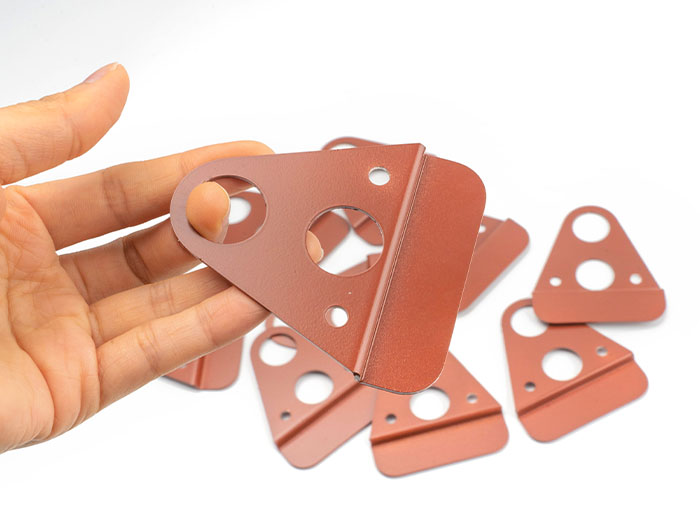
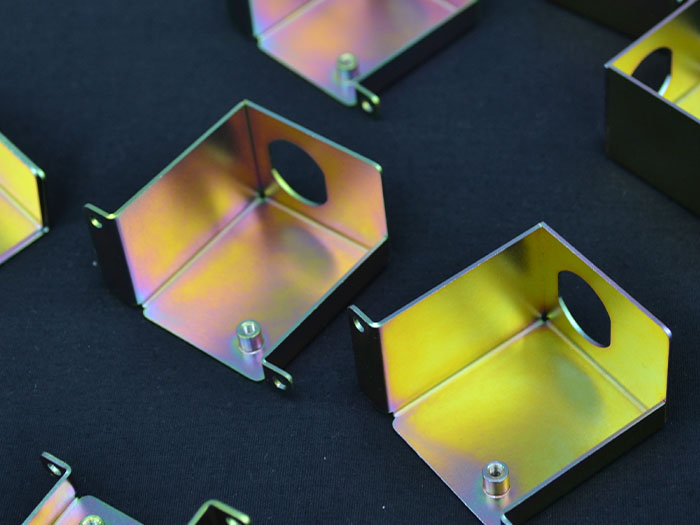
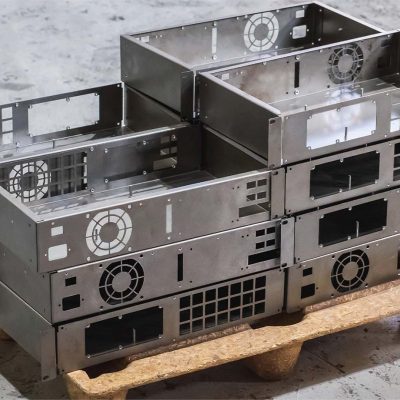
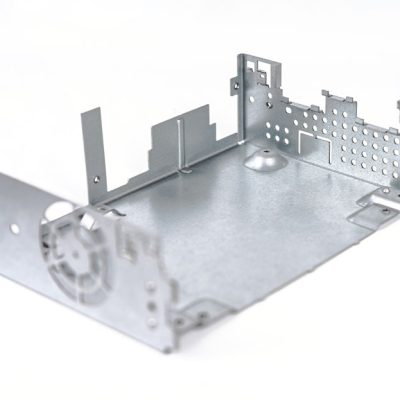
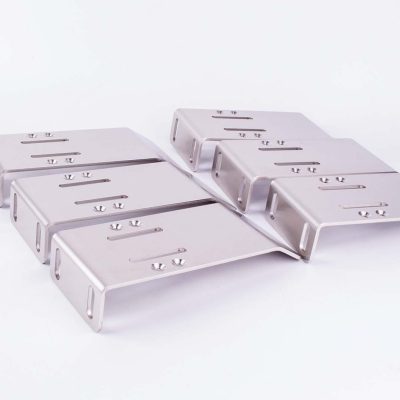
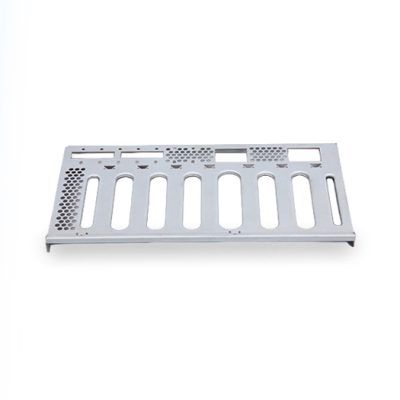
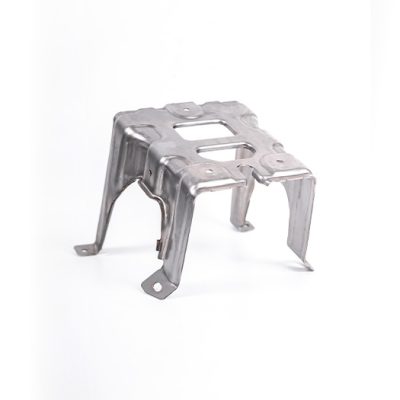
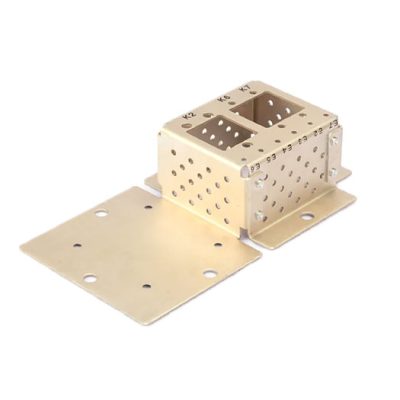
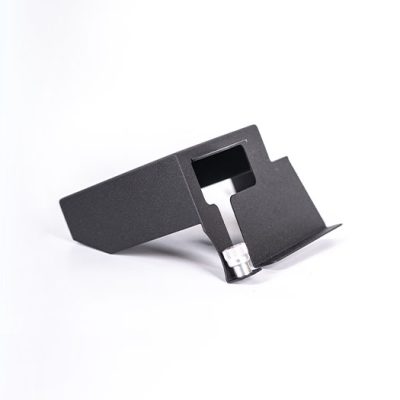
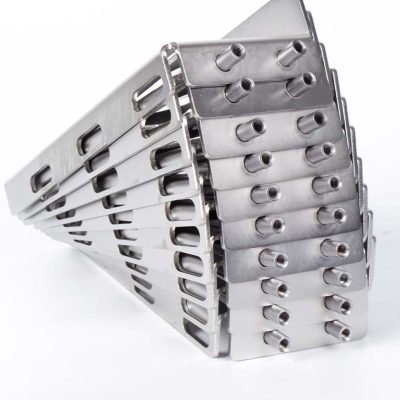
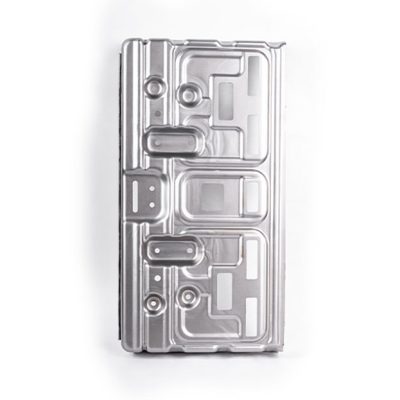
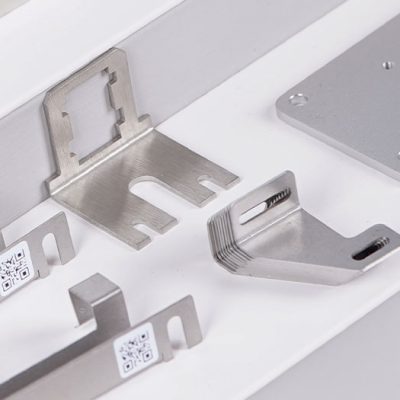
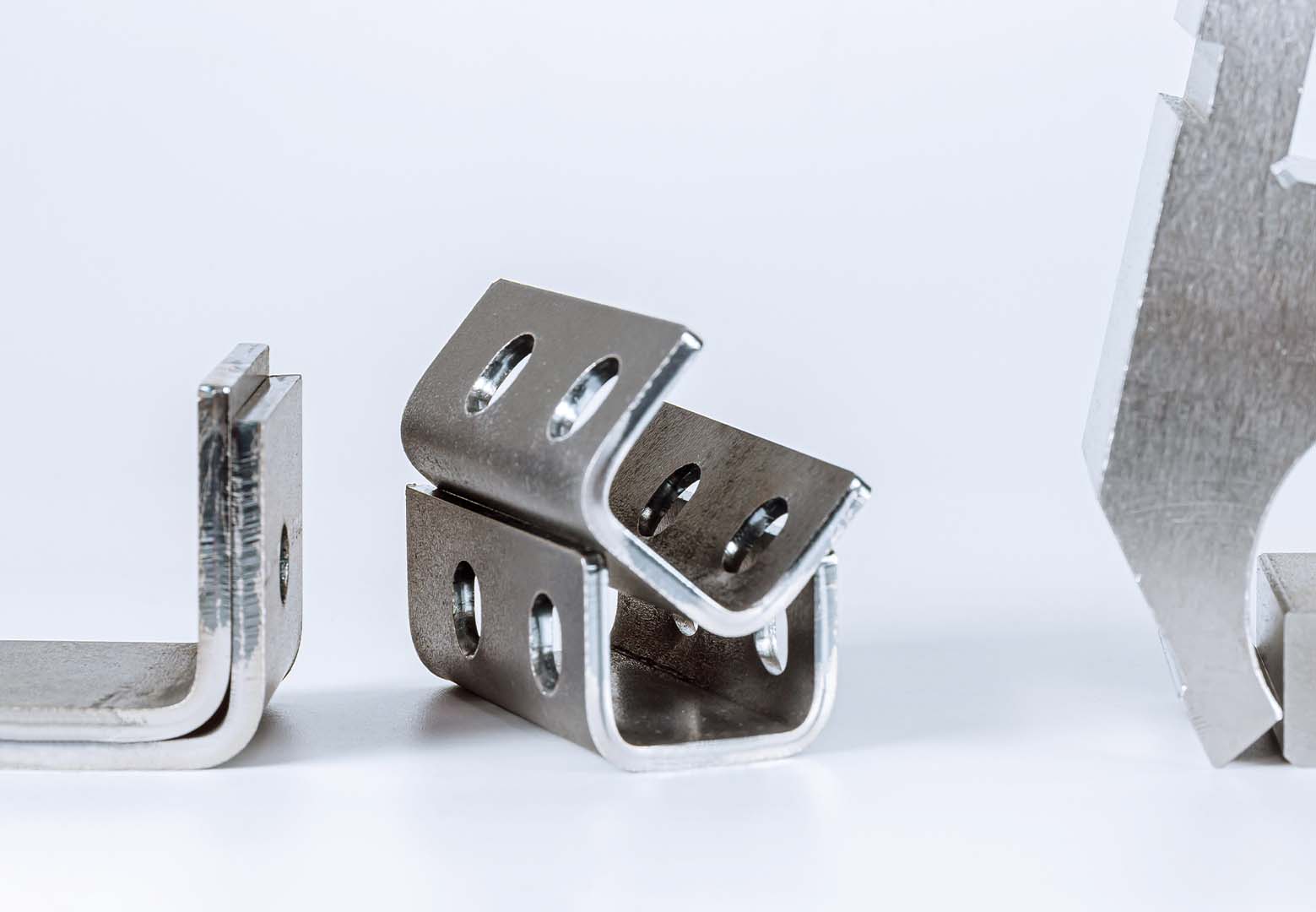
Sheet metal fabrication is an essential process for producing thin metal parts and prototypes with uniform thickness, complex bends, precision cuts, and stamped features. At HLH Rapid, we specialize in sheet metal prototyping and low-volume production—no expensive tooling, no long lead times, no minimum order quantity (no MOQ)—helping you quickly manufacture enclosures, brackets, assemblies, weldments, housings, and other custom sheet metal components.
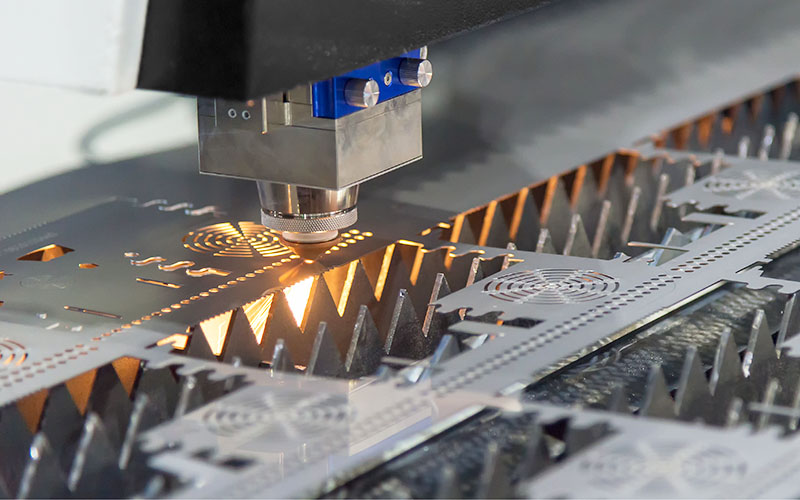
Sheet metal prototyping is a fast, cost-effective, tool-less way to transform thin sheet metal into high-precision prototypes and low-volume parts for form, fit, and function testing. It combines manual and CNC fabrication techniques to cut, form, and assemble sheet metal workpieces.
| Maximum Sheet Size | 1500 × 3000 mm (59.1″ × 118.1″) |
| Sheet Metal Thickness | 0.5 mm (0.020″) to 6 mm (0.236″) |
| Techniques | 35+ processes including laser cutting |
| Tightest Tolerance | ±0.05 mm (±0.002″) |
| Quantity | 1 – 100,000 parts |
| Lead time | From 5 days |
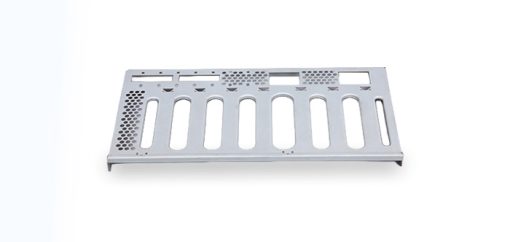

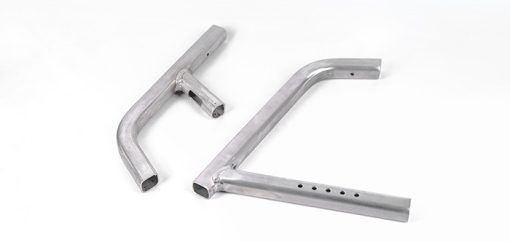
Get a quote / Get in touch
Please use the following formats:
.stl, .obj, .wrl, .step (.stp), .iges (.igs), .3mf, .dxf and .zip
100mb max file size (per file)
If you have a file type not listed, please contact us to discuss first.
UK Office: Suite 11 & 12A, 44 Potternewton
Mount, Leeds, LS7 2DR, United Kingdom
Company Number: 12704810
VAT Number: GB393458263
Factory: Building A, Hongfa Industrial District
Houda Road, Daling Shan, Dongguan,
Guangdong, China
| Material | Common Grades & Specifications |
|---|---|
| Aluminum | 5052, 6061, 6063, 1050, 1060, 7075, 7075-T6 Aluminum Sheets & Profiles |
| Stainless Steel | SS201, SS301, SS302, SS304, SS316, SS430 |
| Carbon & Alloy Steel | Q235, Q345, A3 Steel, Spring Steel, Silicon Steel |
| Low Carbon Steel | A36, 1008, 1018, 1020 |
| Cold Rolled Steel | SPCC, DC01 |
| Hot Rolled Steel | SHCC, Pickled Steel |
| Galvanized Steel | SECC, SGCC, Electrolytic Plate |
| Copper | T2 Copper, Pure, Beryllium, Phosphor, Purple, White |
| Brass | Standard Brass Alloys |
| Tinplate | Tin-Plated Steel Sheets |
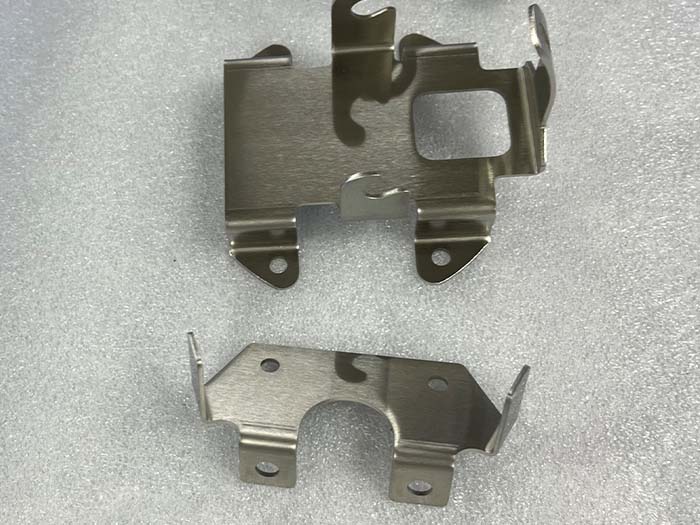
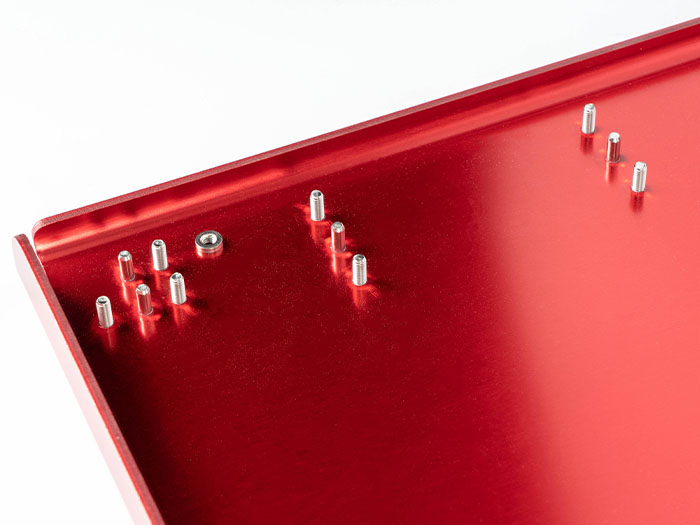
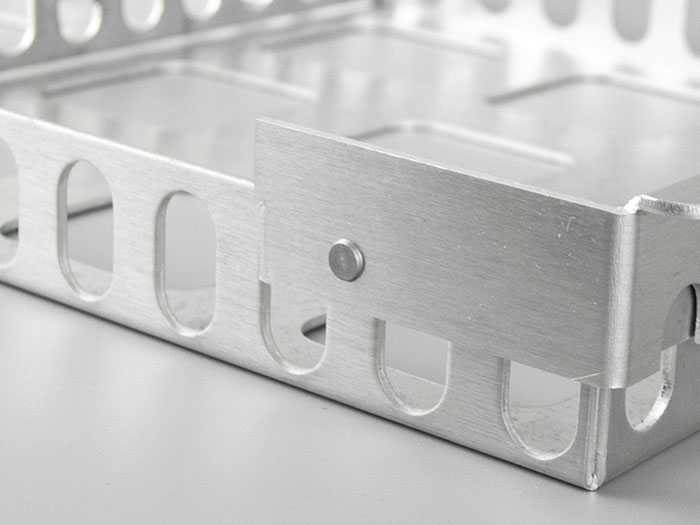
The table below summarises the standard tolerances used at HLH for sheet metal parts.
| Feature | Tolerance |
| Forming or bending | ±0.508mm (0.020″) |
| Bend to edge | ±0.254mm (0.010″) |
| Bend to hole | ±0.381mm (0.015″) |
Designing for sheet metal fabrication can be challenging, as different techniques—such as bending, cutting, and folding—each have their own set of design rules and limitations. For better part quality, learn how to design with the fabrication process in mind.
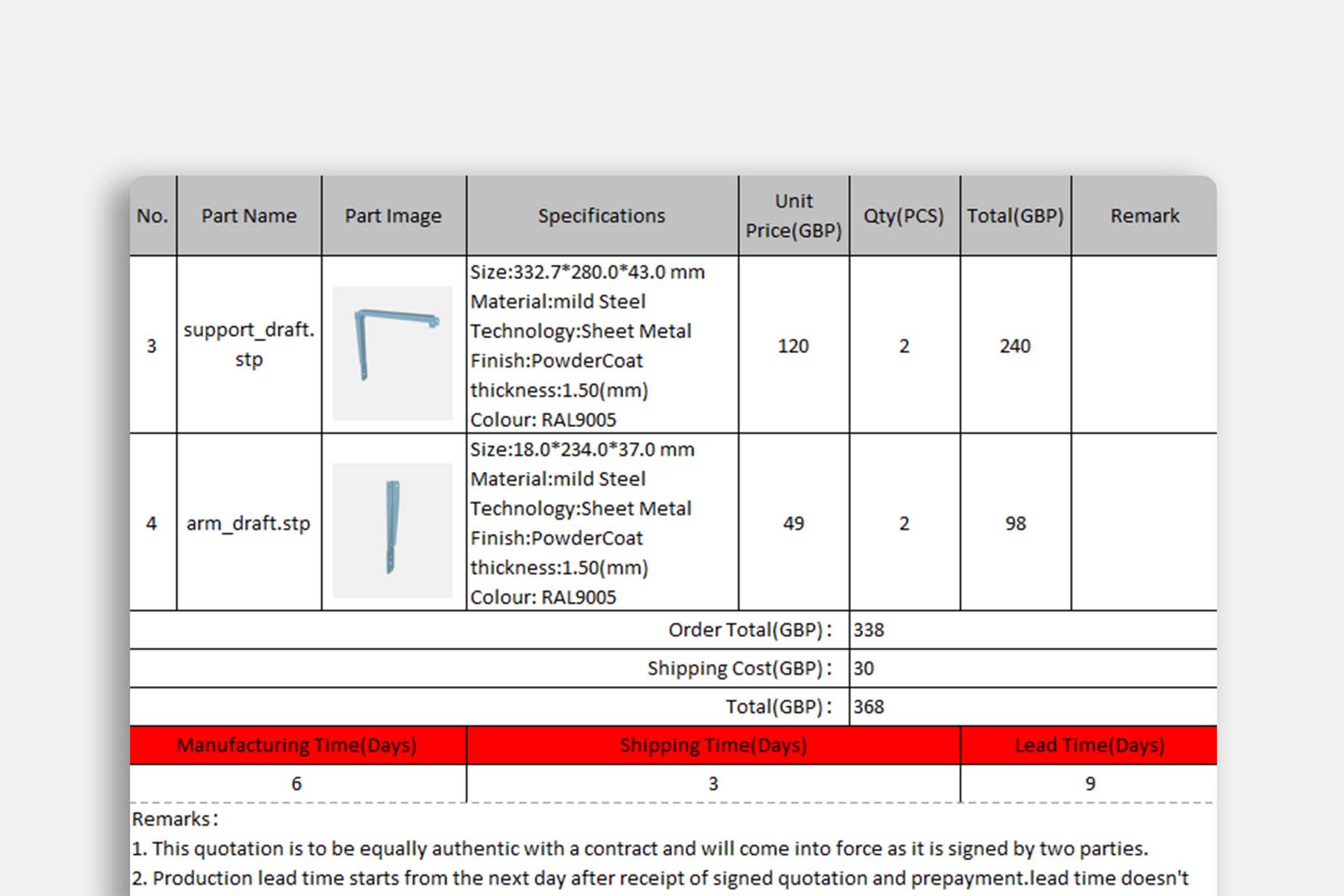
Send us your STEP file along with any quantity, material or surface finish requirements, and our team will get back with a quote within 24 hours. What to expect from our comprehensive quote? Sheet metal part price, shipping cost, lead times, and any remarks raised by our engineers.
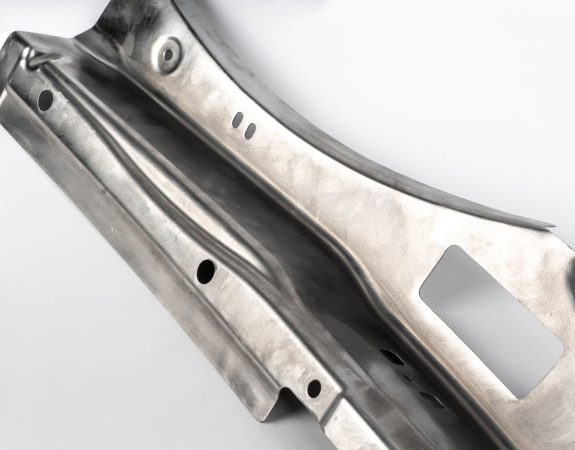
Sheet metal can be quickly cut into 2D profile shapes and formed out of a variety of high-strength materials, making it perfect for rapid tooling. Its per-unit pricing lowers significantly in production volumes. Combined with end-use materials and high throughput, sheet metal fabrication is a well-known production method.
Rapid prototypes, low volume production, medical and communications products, housings and enclosures, everything from cars and space rockets and planes to air conditioners and soda cans. Many industries are heavily reliant on sheet metal parts.
Any metal thinner than 6mm (0.236 inches) is considered sheet metal; any metal thicker than this is classified as a metal plate.
Sheet metal fabrication is a cost efficient and productive way to make thin metal parts, especially enclosures.
Typically, a custom sheet metal prototype or parts can cost anywhere from $5 to $450 and up. The price largely depends on the raw material cost, number of steps involved, size, part complexity and cost of labor. Certain techniques, like sheet metal bending and shearing, tend to be more affordable, while laser cutting or CNC punching can increase the cost due to higher precision and setup requirements.
STEP (.stp) is the preferred file format, as it provides precise 3D geometry for accurate quoting, efficient CNC programming, and reliable manufacturing results.