Perfect for a small series of 5–50 parts especially when aesthetics are important. Lead times as fast as 5 days.
Vacuum casting or urethane casting is an excellent alternative to injection moulding for low-volume production-quality parts without the cost or lead time required for production tooling. At HLH Rapid, we have a massive range of plastic materials available, and we can cast parts as large and small, everything from headphones all the way up to 2m (2000 mm) long car bumpers.
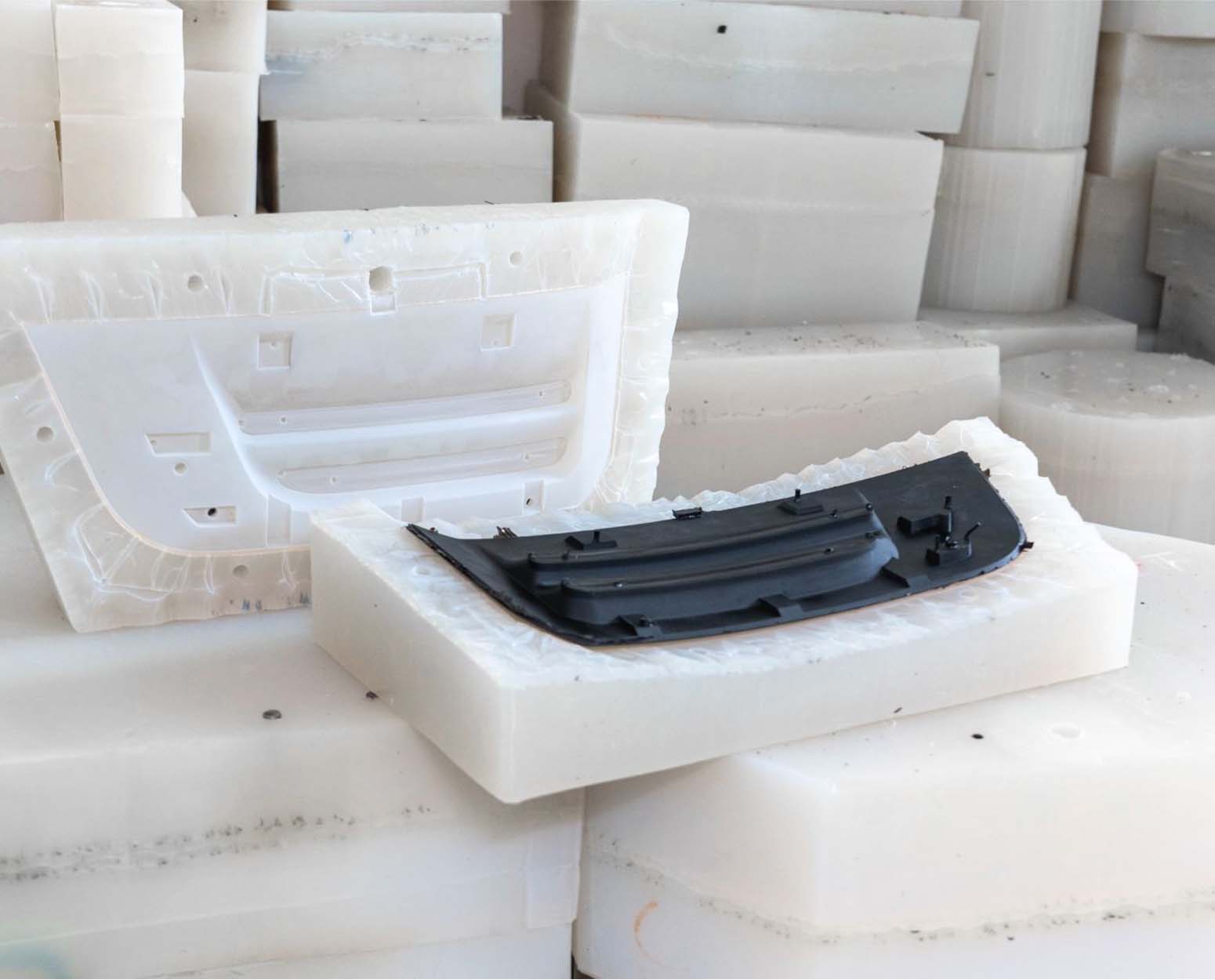
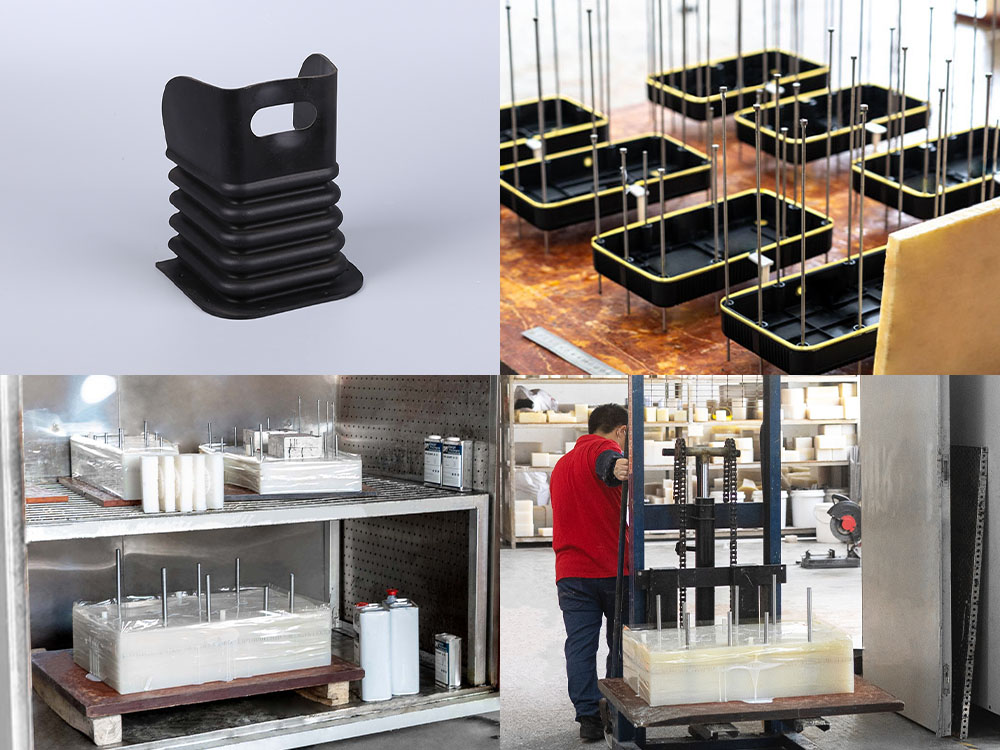
Vacuum casting, also known as polyurethane casting, cast urethane or silicone moulding (soft tooling), is a manufacturing process that uses silicone moulds to produce production-quality plastic parts. This process involves using a vacuum to draw liquid resin into a mould. It can be broken down into three main stages:
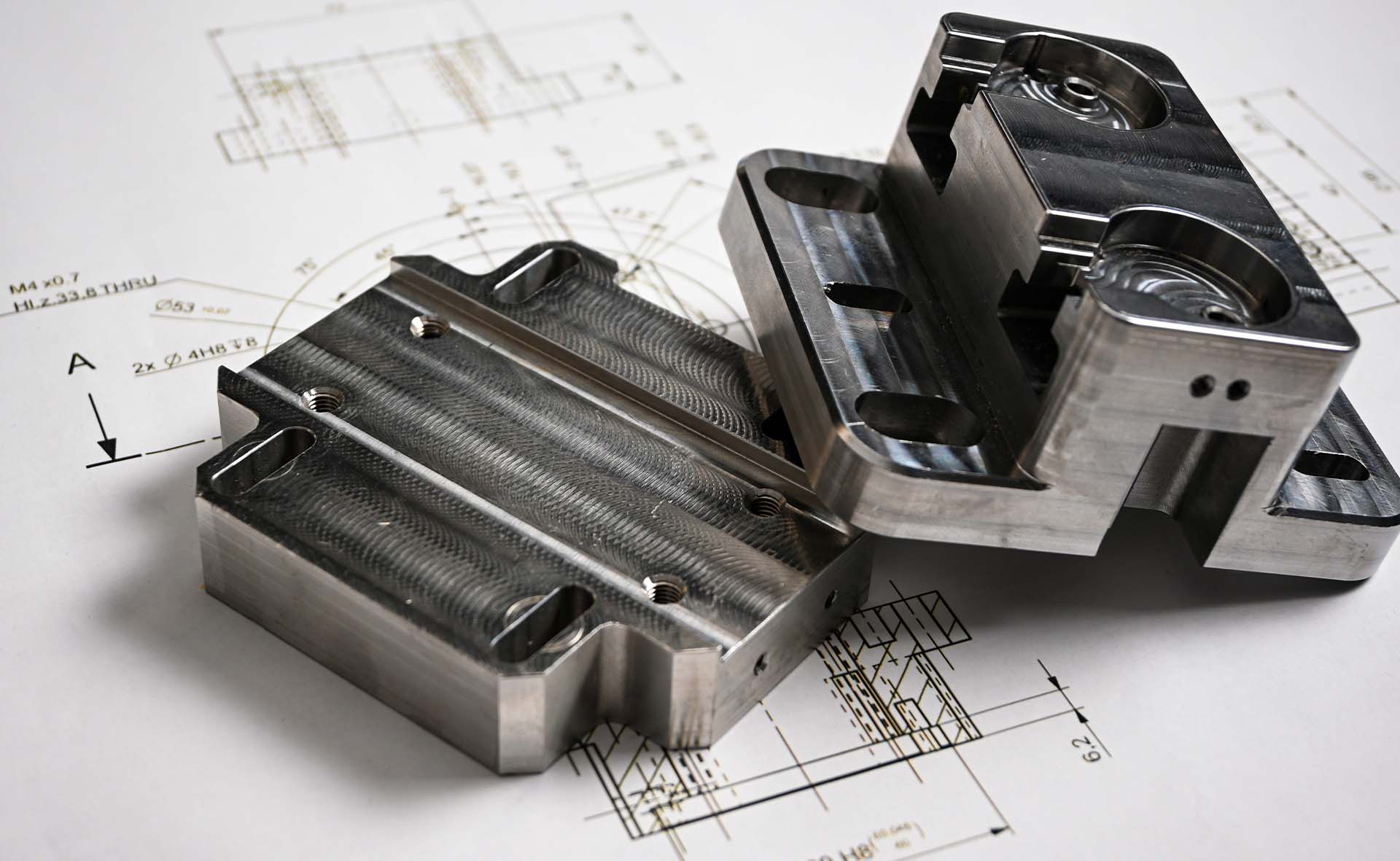
1. Master Model: Using 3D printing (via SLA or SLS) or CNC machining.
2. Silicone Mould: Liquid silicone is poured around the master model and cured.
3. Cast Copies: Resin is poured into the mould under vacuum to create finished parts.
| Maximum Build Size | 1.8 × 1.5 × 1.2 m (70.9 × 59.1 × 47.2 in) |
| Typical Mould Life | 10 to 25 parts |
| Tolerance | ±0.2 mm (±0.008 in) |
| Materials | Wide range of polyurethane resins |
| Lead Time | From 5 days |
We offer a wide range of polyurethane casting materials that simulate the properties of engineering-grade thermoplastics and rubbers.
">We offer a wide range of polyurethane casting materials that simulate the properties of engineering-grade thermoplastics and rubbers.
| Material | Supplier | Hardness | Tensile Strength | Elongation | Impact Strength | Colour | Features |
|---|---|---|---|---|---|---|---|
| PU8150 | Hei-Cast | 84 Shore D | 73 MPa | 16% | 12 kJ/m² | Amber, White, Black | Rigid, ABS resin |
| PU8263 | Hei-Cast | 83 Shore D | 41 – 74 MPa | 15% | 10 kJ/m² | Colorless, Light Yellow | Flame retardant, UL94 V-0 and 5VA ratings |
| UP6160 | Axson | 80 Shore D | 58 MPa | 15% | 35 kJ/m² | Yellow | High thermal resistance (up to 200°C) |
| PU858 | Axson | 80 Shore D | 90 MPa | 10 kJ/m² | Colorless, Light Yellow | Flame resistant, UL-94 V-0 UL recognized |
| Material | Supplier | Hardness | Tensile Strength | Elongation | Impact Strength | Colour | Features |
|---|---|---|---|---|---|---|---|
| PX223 | Axson | 80 Shore D | 60 MPa | 11% | >60 kJ/m² | Black, Tawny | Heat resistance (up to 120°C) |
| Material | Supplier | Hardness | Tensile Strength | Elongation | Impact Strength | Colour | Features |
|---|---|---|---|---|---|---|---|
| PX520 | Axson | 80 Shore D | 55 MPa | 16% | 50 kJ/m² | Off-white | Replicates true Polycarbonate |
| Material | Supplier | Hardness | Tensile Strength | Elongation | Impact Strength | Colour | Features |
|---|---|---|---|---|---|---|---|
| PX5210 | Axson | 83 Shore D | 65 MPa | 15% | 60 kJ/m² | Clear, Transparent | Easy to polish, high transparency (water-clear) |
| Material | Supplier | Hardness | Tensile Strength | Elongation | Impact Strength | Colour | Features |
|---|---|---|---|---|---|---|---|
| UP5690 | Axson | 80 Shore D | 55 MPa | 16% | 50 kJ/m² | White, Black | Similar to that of true PP and HDPE material |
| Material | Supplier | Hardness | Tensile Strength | Elongation | Flexural strength | Colour | Features |
|---|---|---|---|---|---|---|---|
| T0387 | Hei-Cast | 30 – 80 Shore A | 10 – 40 MPa | 300% | 28 – 44 MPa | Colorless Transparent, Yellow | Highly flexible and elastic rubber-like |
| PU8400 | Hei-Cast | 20 – 90 Shore A | 65 MPa | 15% | 25 – 70 MPa | Milky-white, Black | Highly flexible and elastic rubber-like |
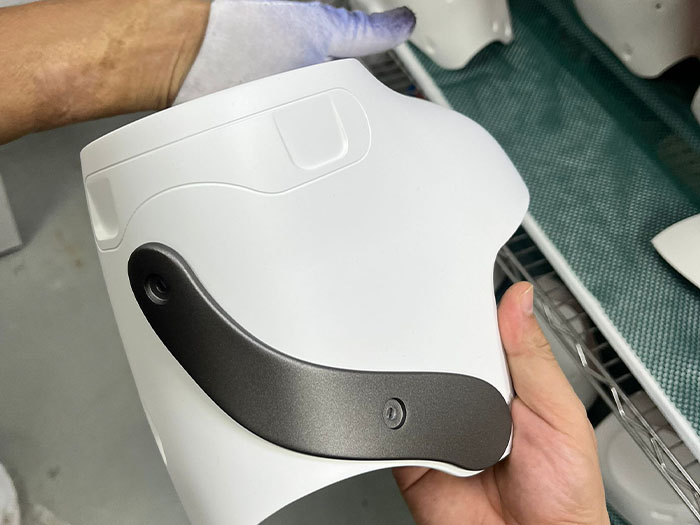
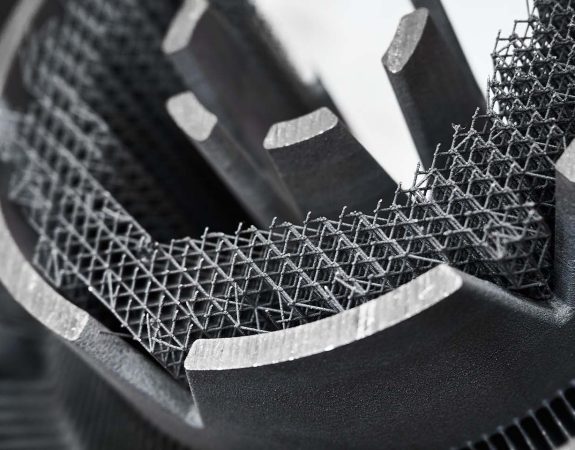
Check out the vacuum casting surface finishes below with more custom finishes available on request.
Get a quote / Get in touch
Please use the following formats:
.stl, .obj, .wrl, .step (.stp), .iges (.igs), .3mf, .dxf and .zip
100mb max file size (per file)
If you have a file type not listed, please contact us to discuss first.
UK Office: Suite 11 & 12A, 44 Potternewton
Mount, Leeds, LS7 2DR, United Kingdom
Company Number: 12704810
VAT Number: GB393458263
Factory: Building A, Hongfa Industrial District
Houda Road, Daling Shan, Dongguan,
Guangdong, China
Vacuum casting is a versatile process for producing high-detail polyurethane parts and prototypes in a wide range of materials, colours and surface finishes. Silicone moulds accurately reproduce fine details, undercuts and complex geometries, making the process suitable for functional testing, visual prototypes and short production runs.
If you are familiar with designing parts for injection moulding, you can apply many of the same best practices and rules of thumb to design parts for urethane casting, but with some material shrinkage considerations, typically around 0.15% to 0.3%.
| Feature | Recommended Size |
|---|---|
| Minimum Wall Thickness | 1.0 mm (0.040 in) |
| Minimum Embossed and Engraved Details | Depth of 1.0 mm; Width of 1.0 mm (0.040 in) |
| Maximum Boss Thickness | 60% of nominal wall thickness |
| Minimum Boss Height | 1.0 mm (0.040 in) |
| Minimum Boss Diameter | 1.0 mm (0.040 in) |
| Maximum Rib Thickness | 60% of nominal wall thickness |
| Minimum Rib Height | 3X nominal rib thickness |
At HLH Rapid, standard tolerances are controlled to ISO 2768 Coarse (C) for urethane casting.
| Dimensions (mm) | 0 — 25 | 25 — 50 | 50 — 75 | 75 — 100 | 100 — 125 | 125 — 150 |
| Tolerance (mm) | ±0.3 | ±0.35 | ±0.4 | ±0.45 | ±0.5 | ±0.55 |
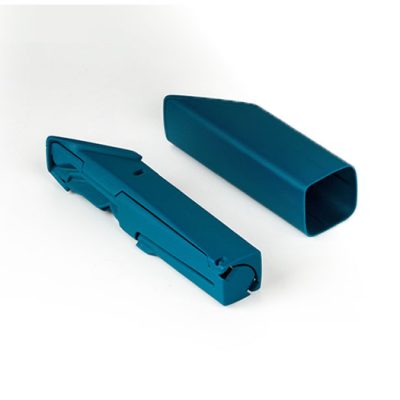
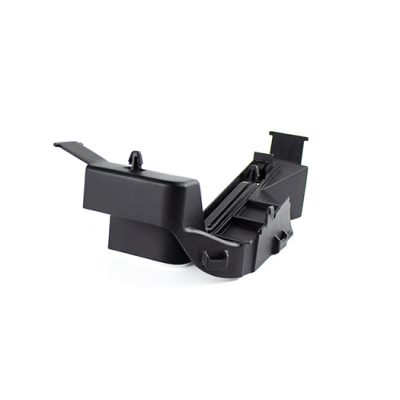
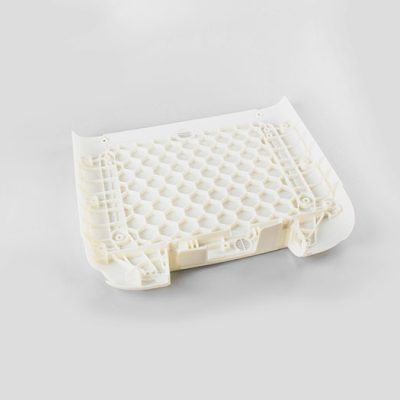
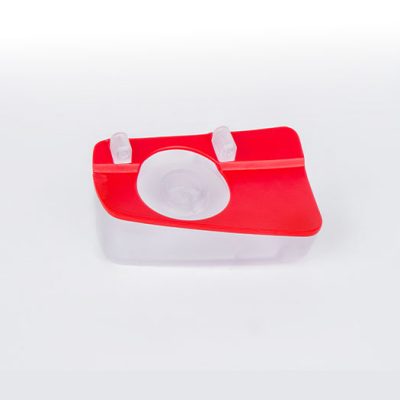
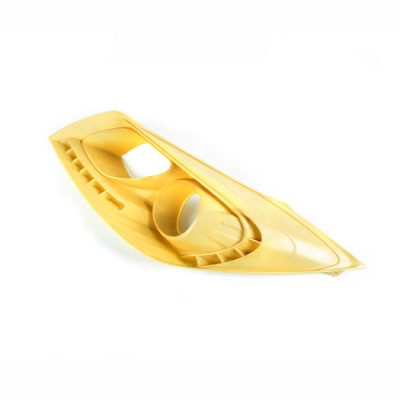
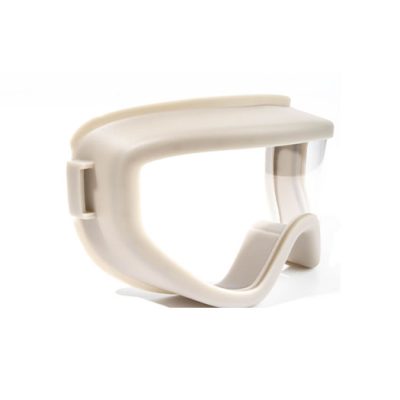
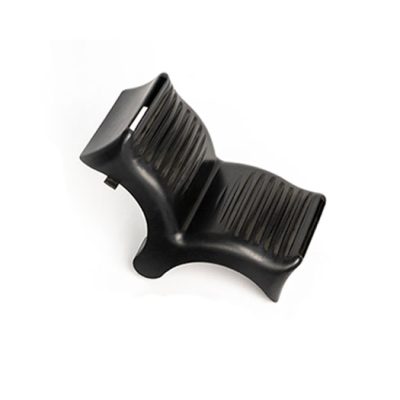
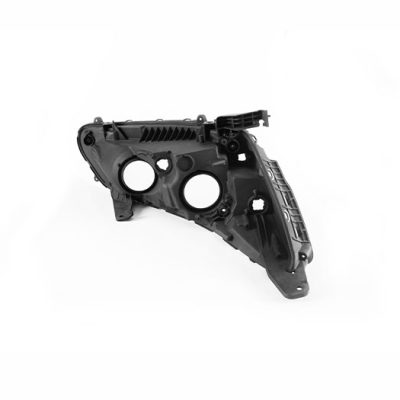

Vacuum casting uses flexible silicone moulds, which are relatively quick and inexpensive to produce. In contrast, injection moulding uses durable metal moulds, typically made from aluminium or steel, which have a higher upfront cost but can produce large volumes of parts at a lower unit cost. This makes urethane casting a faster and more cost-effective choice for developing early prototypes and low-volume production runs before moving to end-use injection moulded parts with a longer tool life.
Vacuum casting and vacuum forming both use vacuum pressure but they are two entirely different processes. Vacuum forming heats a flat thermoplastic sheet over a mould, whereas vacuum casting involves pouring liquid resin into a silicone mould. Vacuum forming is more cost-effective for larger runs, while vacuum casting suits small batches due to mould lifespan limits.
No. Traditional vacuum casting is used to produce plastic and elastomer parts, not metal components. However, for metal vacuum casting, there are specialized similar processes called vacuum die casting and vacuum investment casting that exist for metals.
Vacuum casting is typically used for quantities between 5 to 50 parts. It can be a quick and cost-effective alternative to 3D printing. Especially when it comes to manufacturing large-sized parts, vacuum casting is often much faster and cheaper than 3D printing.
Vacuum casting is a quick alternative to plastic injection moulding for quantities below 100 parts. This is due to the rapid soft-tooling process, which can typically be completed in less than two weeks.
For volumes above 100 parts, injection moulding is generally the more efficient and economical option, as once the initial tooling is complete, parts can be produced in high quantities within days.
The advantages of vacuum casting have made it a choice for many applications across different industrial sectors. Some of the top applications include: