Get an instant quote
Get in touch Listen to our podcast
High resolution SLA printing service for concept models and complex parts

Stereolithography SLA
3D Printing Service

Excellent for accurate, smooth, high resolution parts.
Industrial SLA – lead times from 2 days.

Lead times from 2 days
ISO and IATF certified
From 1 to 10,000+ parts
30+ industrial SLA printers available
FREE instant quotations

Our SLA 3D Printing Services

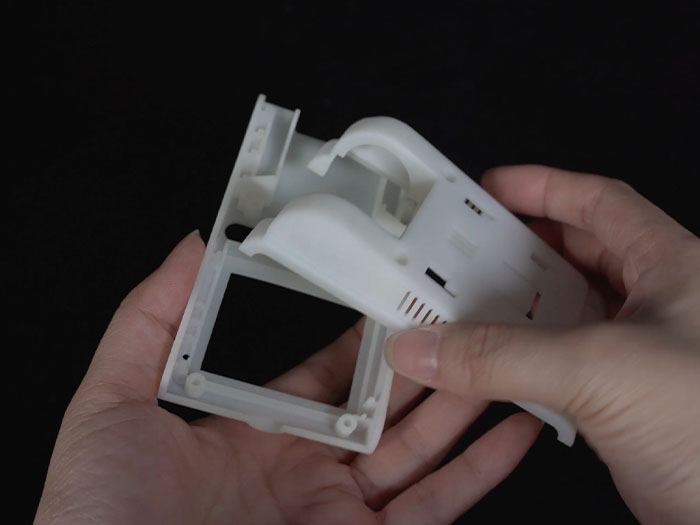
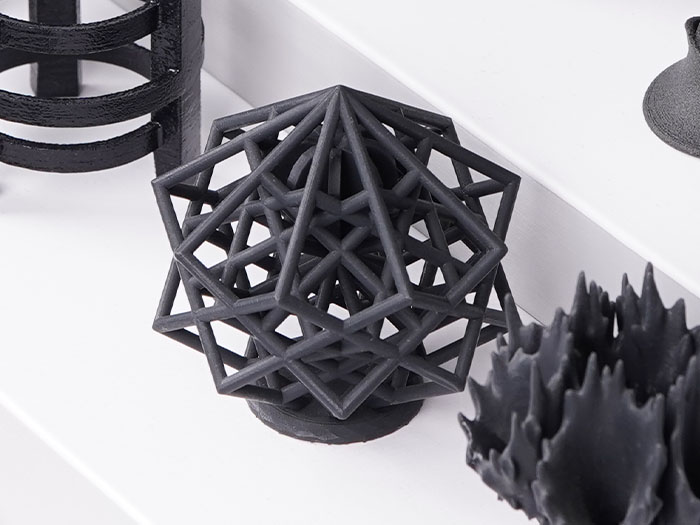
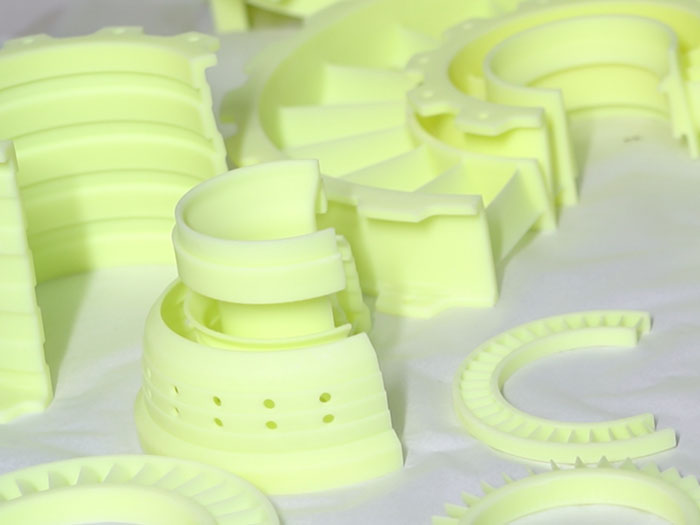
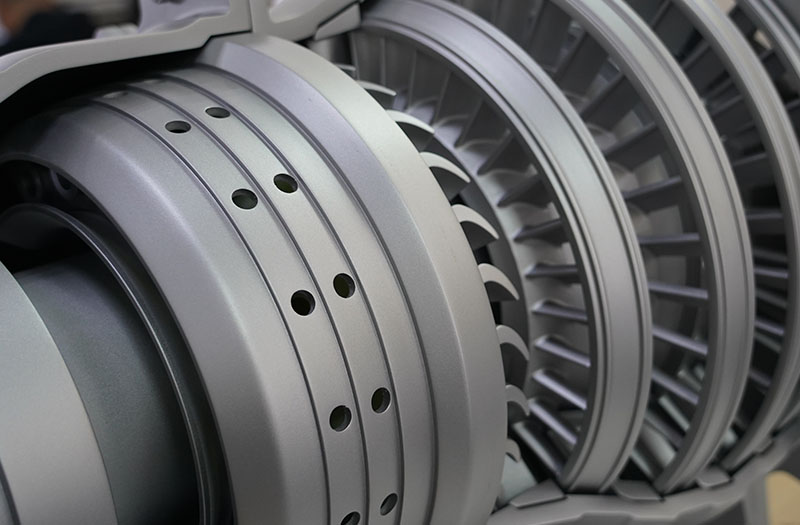
Stereolithography or SLA is a resin-based 3D printing technology that produces highly accurate, high resolutions parts with an excellent smooth finish. The combination of high speed, low-cost per part and well-established materials makes stereolithography an ideal choice for prototypes and low volume production.

Source accurate to CAD and fine-detailed parts with HLH Rapid’s SLA 3D printing service.

Specification Details
Maximum Build Size 800 x 800 x 550 mm (31.5″ x 31.5″ x 21.6″)
Materials Somos® Taurus™, Somos® 9000 and 15+ more resins
Lead Time 2 days
Resolution ± 0.2 mm
Prototyping Applications High aesthetic and accurate-to-CAD prototypes
End-Use Applications Low-volume, fine detailed parts

Diverse SLA Materials Available

C-UV 9400


Material Reference: Generic Resin
Appearance: White

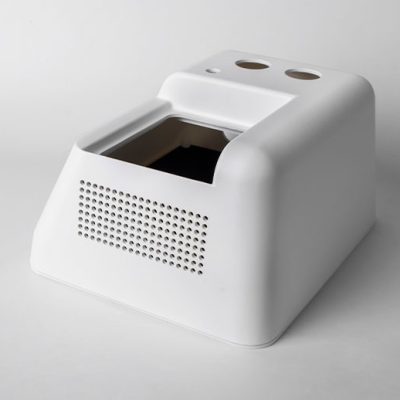
C-UV 9400 is an ABS-like SLA resin with good dimensional stability and surface finish, suitable for rapid prototypes, master patterns, and general-purpose engineering applications in automotive, medical and robotics industries.

Key Features
Tensile strength: 27–31 MPa
Flexural strength: 74 MPa
Heat deflection temperature: ~52°C
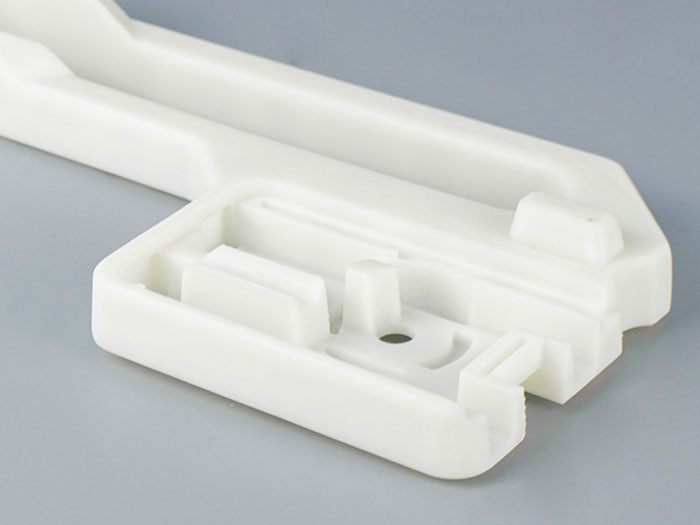
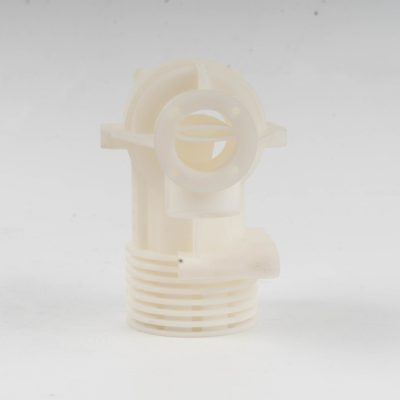
C-UV 9400 SLA Generic Resin Material With Deburr Finish

Crysta-8QEF1


Material Reference: Transparent resin
Appearance: Clear, high transparency

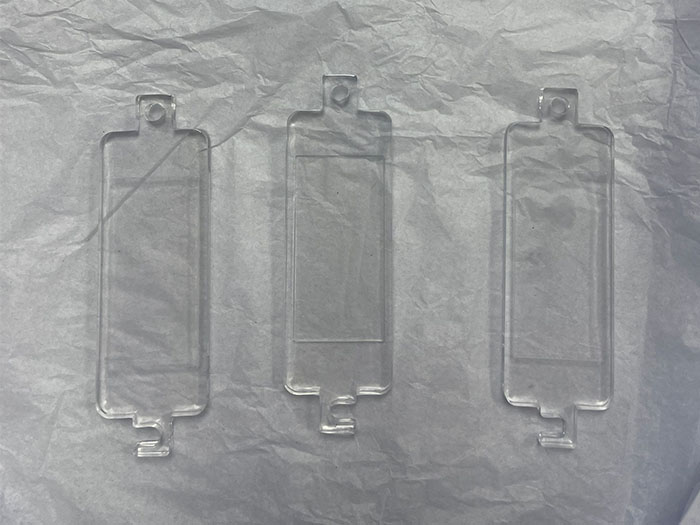
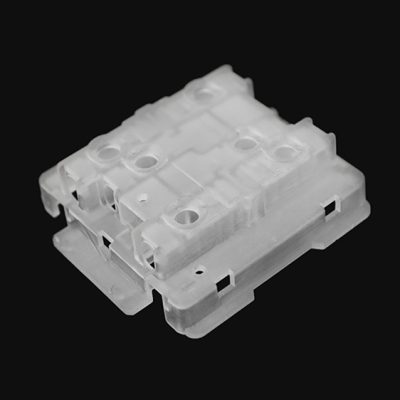
Crysta-8QEF1 is a clear SLA resin designed for optically clear models, lighting components, and functional prototypes requiring high visual clarity and smooth surface finish.

Key Features
High transparency (Dp = 0.18 mm)
Tensile strength: 48 MPa
Flexural strength: 75–81 MPa
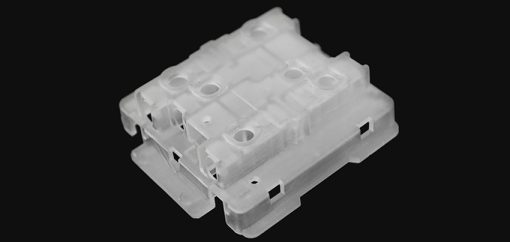
High Transparency SLA Resin Material With Deburr Finish

Godart®8001


Material Reference: Transparent resin
Appearance: Clear, transparent

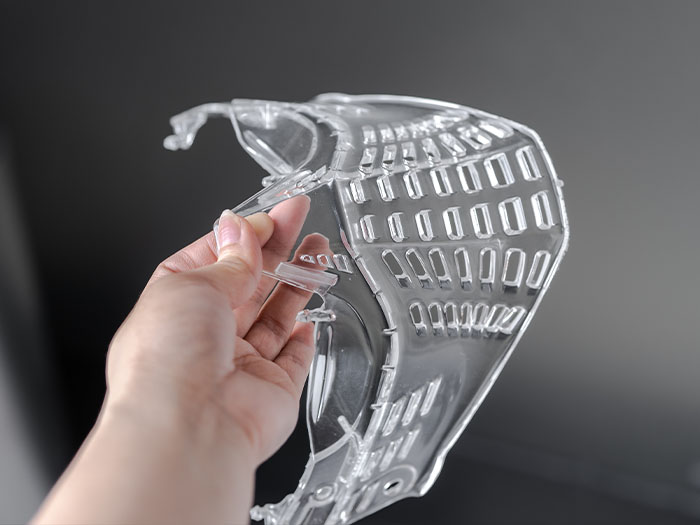
Godart 8001 is a clear SLA resin designed for conceptual models, general parts, and rapid prototyping of transparent components for the automotive, robotics and medical industries.

Key Features
High resolution (Dp = 0.08 mm)
Tensile strength: 48 MPa
Flexural strength: 86 MPa
Godart 8001 SLA Transparent Resin Material With Deburr Finish

Godart®8228


Material Reference: High toughness resin
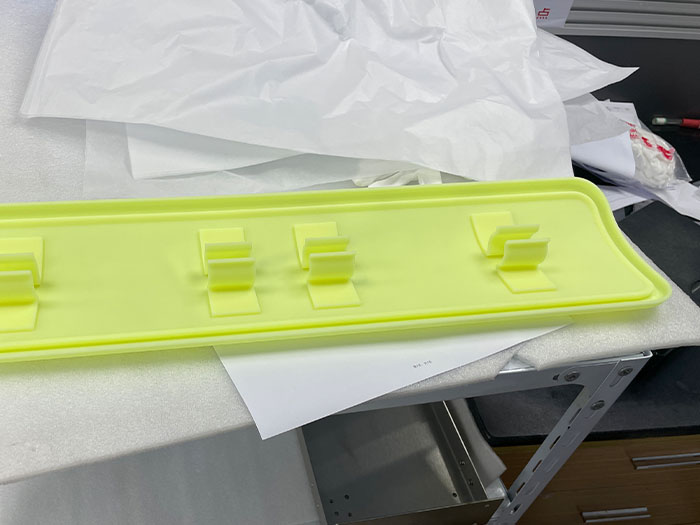
Appearance: Yellow

Godart 8228 is a high-toughness SLA resin with balanced strength, stiffness and impact resistance, suitable for functional prototypes and parts requiring moderate mechanical performance and durability.

Key Features
Stiffness: 2136 MPa
Tensile strength: 51.21 MPa
Impact strength: 27 J/m (Izod, Notched)
Godart 8228 SLA High Toughness Resin Material With Deburr Finish

Lasty-R


Material Reference: High toughness resin
Appearance: Light-green, yellow

Lasty-R is an ABS-like SLA resin with high toughness and good elongation. It is best suited for functional prototypes, snap-fit parts, and applications requiring impact resistance and durability.

Key Features
Stiffness: 2611–2765 MPa
Impact strength: 25–40 J/m (Izod, Notched)
Elongation at break: 13–22%
Lasty-R SLA High Toughness Resin Material With Deburr Finish

Somos® Taurus™


Material Reference: High toughness resin
Appearance: Charcoal, blue-grey

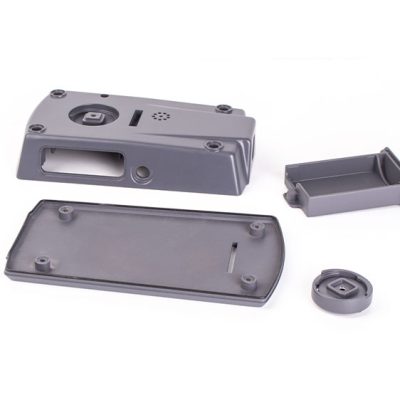
Somos Taurus is an engineering SLA material that offers the look and feel of an injection moulded part. It has strong mechanical properties and is ideal for casings, gears, housings, functional prototypes and end-use applications.

Key Features
Tensile strength: 46.9 MPa
Impact strength: 47.5 J/m (Izod, Notched)
Elongation at break: 24%
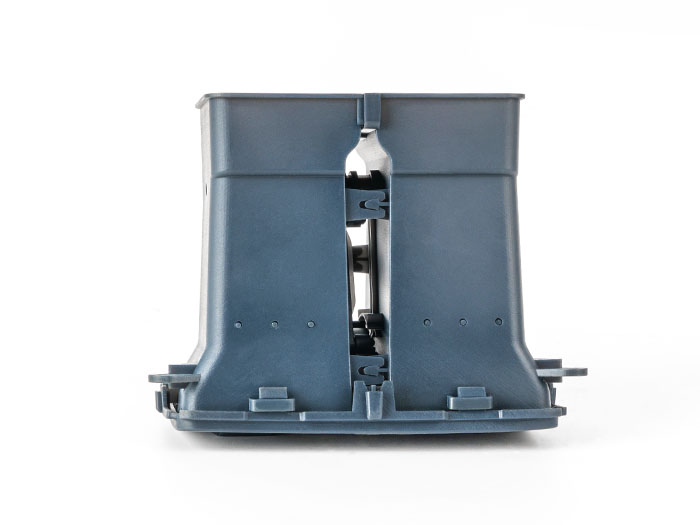
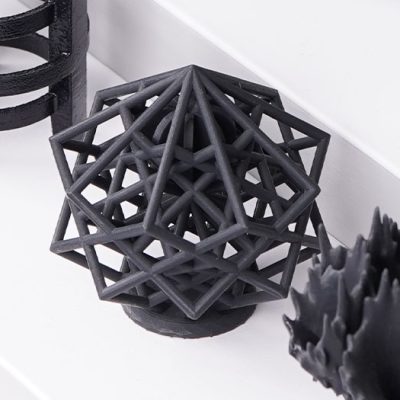
Somos Taurus (SLA) High Temp Resin Material With Deburr Finish

Somos® Imagine 8000


Material Reference: Rigid resin
Appearance: White opaque, semi-translucent

Somos 8000 is an ABS-like SLA resin with balanced stiffness and toughness, suitable for functional prototypes and engineering applications requiring impact resistance and dimensional stability.

Key Features
Stiffness: 2500–3000 MPa
Impact strength: 20–30 J/m (Izod, Notched)
Elongation at break: 11–20%
Somos 8000 SLA Rigid Resin Material With Deburr Finish

Somos® 9000


Material Reference: Rigid resin
Appearance: White

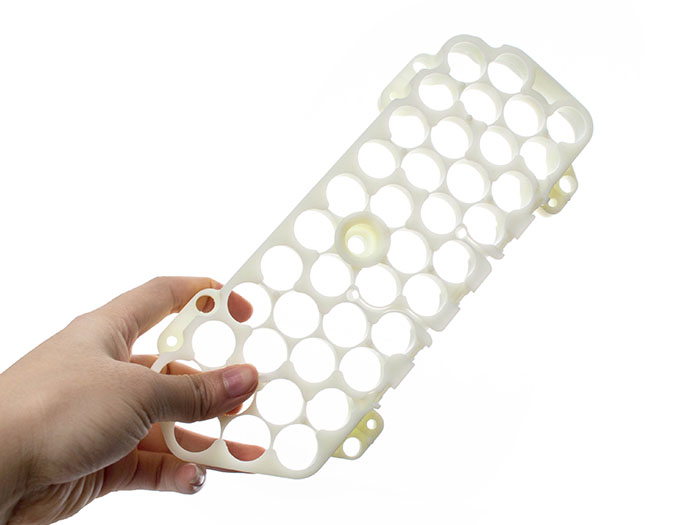
Somos 9000 is a rigid SLA photopolymer resin designed for high-accuracy, white prototype parts with good dimensional stability and a smooth surface finish, commonly used for visual models and rigid engineering prototypes.
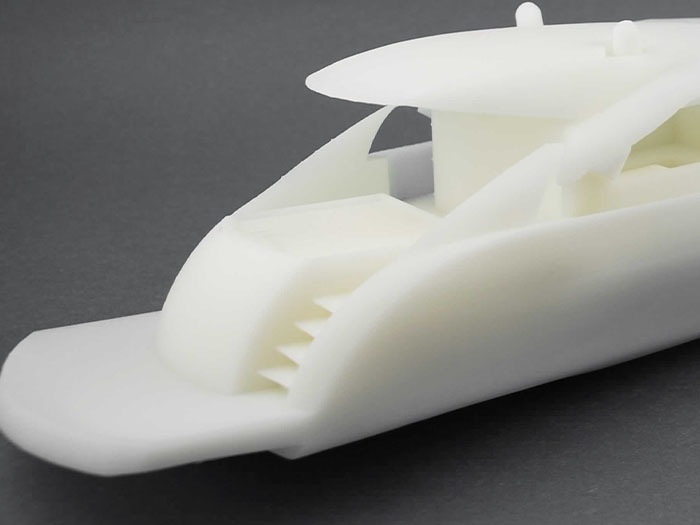
Somos 9000 SLA Rigid Resin Material With Deburr Finish

TOP31B


Material Reference: Rigid resin
Appearance: Grey

TOP31B is a rigid SLA resin with high stiffness and moderate impact resistance, suitable for precise models and functional prototypes requiring good dimensional stability and balanced mechanical performance.

Key Features
Stiffness: 2649–2731 MPa
Impact strength: 29–34 J/m (Izod, Notched)
Elongation at break: 7–11%
TOP31B SLA Rigid Resin Material With Deburr Finish

Lasty-702


Material Reference: Rigid resin
Appearance: Light-green, yellow

Lasty-702 is a rigid SLA resin with good printability and slightly easier processing than Lasty-709, but lower stiffness and thermal resistance.

Key Features
Stiffness: 2649–2731 MPa
Impact strength: 29–34 J/m (Izod, Notched)
Elongation at break: 7–11%
Lasty-702 SLA Rigid Resin Material With Deburr Finish

Lasty-709


Material Reference: Rigid resin
Appearance: Light-green, yellow

Lasty-709 is a rigid SLA resin with high stiffness and moderate ductility. It is best suited for structural prototypes, housings and components where rigidity and dimensional stability are more important than flexibility or impact performance.

Key Features
Stiffness: 2649 - 2730 MPa
Impact strength: 28–33 J/m (Izod, Notched)
Elongation at break: 7–11%
Lasty-709 SLA Rigid Resin Material With Deburr Finish

GH100


Material Reference: High temp resin
Appearance: Red translucent

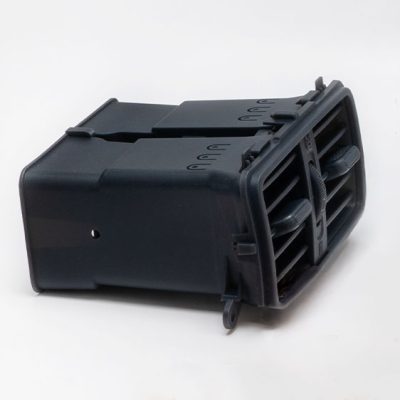
GH100 is a SLA resin designed to be used in high-temperature scenarios such as ducting, moulding and rapid prototyping. It's ideal for functional prototypes and end-use parts in the automotive, medical and robotics industries.

Key Features
Tensile strength: 42.7 MPa
Flexural strength: 96.6 MPa
Heat deflection temperature: 150°C
SLA 3D printed high temperature material prototype (GH100)
C-UV 9400 Crysta-8QEF1 Godart®8001 Godart®8228 Lasty-R Somos® Taurus™ Somos® Imagine 8000 Somos® 9000 TOP31B Lasty-702 Lasty-709 GH100

Get a quote / Get in touch

Please use the following formats:
.stl, .obj, .wrl, .step (.stp), .iges (.igs), .3mf, .dxf and .zip
100mb max file size (per file)

If you have a file type not listed, please contact us to discuss first.


Home Office: 116 Cardigan Road, Office M2.
Headingley, Leeds UK, LS6 3BJ
Company Number: 12704810
VAT Number: GB393458263

Factory: Building A, Hongfa Industrial District
Houda Road, Daling Shan, Dongguan,
Guangdong, China

Sending...
Uploading Files

Get a quote / Get in touch

Field is required
Field is required
This site is protected by reCAPTCHA and the Google Privacy Policy and Terms of Service apply.
Request another quote?

SLA Surface Finishing Options

Check out the popular SLA post-processing options below with more custom finishes available upon request.

Description Colour
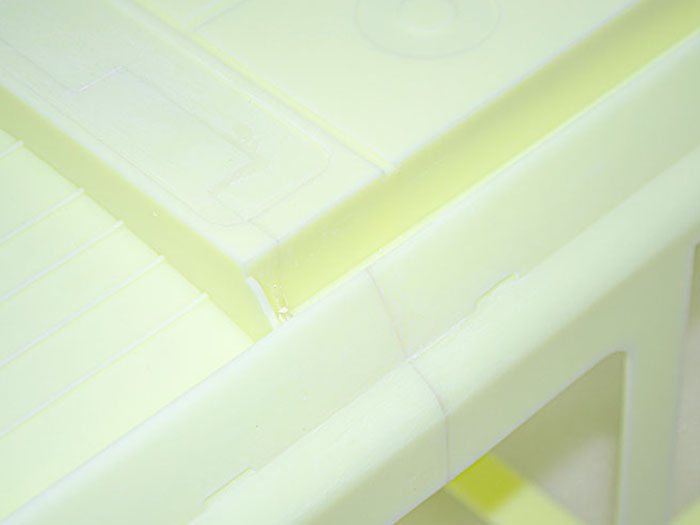
As Printed / Deburr Deburr is the standard SLA finish. Note that support marks (“nibs”) may remain evident due to support structure contact points used during printing and removal. Best for fast lead times or when cost is a factor. Natural
Sanding & Polishing Surface is sanded and polished to reduce layer lines and improve smoothness and clarity. Ideal for cosmetic prototypes and achieving semi-transparent and transparent parts. N/A
Matte / Gloss Achieves either a matte (non-reflective) or gloss (shiny) finish, depending on the required surface appearance. Suitable for both opaque and transparent parts. N/A
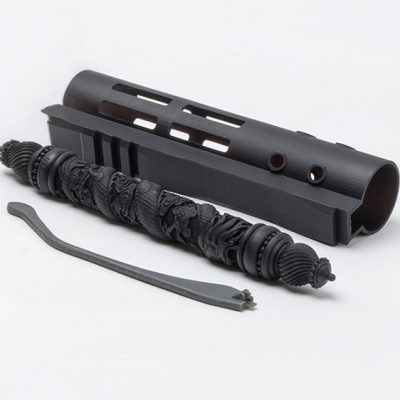
Dyeing & Spray Painting Parts can be coloured to any RAL/Pantone colour. Spray painting is a quick way to add colour, especially for hard-to-reach areas. Dyeing may be used depending on the material and application. Black, RAL/Pantone colours
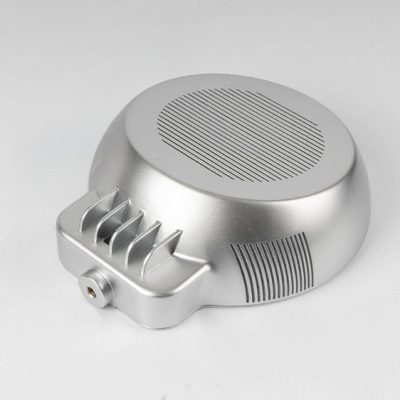
Electroplating & Metallic Painting Parts can be spray-painted to achieve a metallic look or electroplated with a thin layer of metal (e.g. chrome) to enhance surface durability, appearance and wear resistance. Metallic
Silk Screening, Pad Printing & Laser Engraving Text, logos and symbols can be added using silk screening, pad printing or laser engraving. For best results, supply artwork in Adobe Illustrator® (AI) format and specify the required graphic size. Custom

What is Stereolithography and How Does it Work?

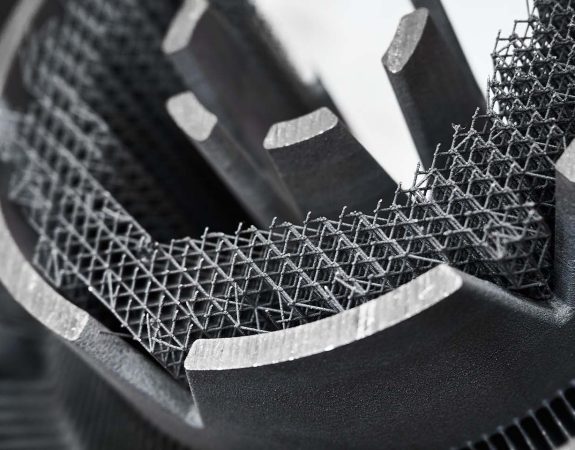
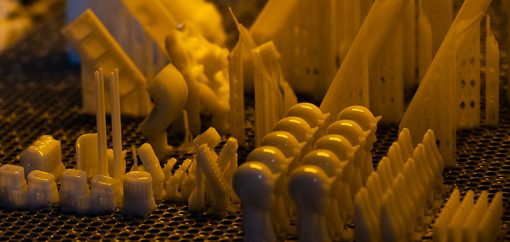
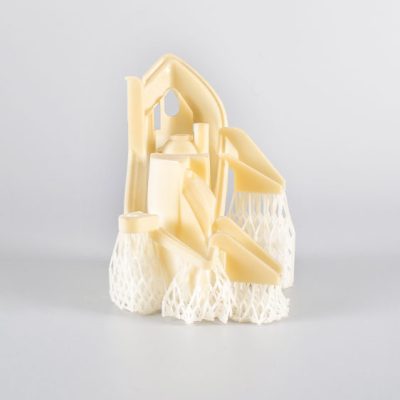
SLA 3D printing builds parts one layer at a time using a highly accurate UV laser to solidify one layer of photosensitive resin, which makes the parts accurate and in good surface. The parts need to be built with support structures which are removed during post process.

In-depth overview of SLA


Design For SLA

To achieve better part quality and end results, it is important that you design your part for the process. Learn how to design overhangs. assembly parts and more in our SLA 3D printing design guide.

SLA 3D Printing for manufacturing
how to design parts for sla 3d printing or stereolithorgrpahy

Advantages of SLA 3D Printing

Wide Range of Materials

Stereolithography offers a vast material selection with a range of properties.

Finest Detailing

SLA is one of the best 3D printing technologies for creating very accurate and finely detailed parts.

Rapid Turnaround

Because SLA can create complex and multi-material parts in a single operation, significantly less build time is needed vs. traditional manufacturing.

Smooth Finish

SLA creates parts with an excellent finish which remarkably resembles end use items like injection moulded parts.


Disadvantages of SLA 3D Printing

Generally Brittle

SLA parts are generally brittle and not suitable for many functional applications.

Degradation Over Time

Due to the photosensitive nature of SLA resins, SLA parts will experience degradation over time when exposed to sunlight.

Requires Support Structures

SLA prints always require support structures, which must be removed in the post-processing stage.

SLA FAQs

Stereolithography or SLA 3D printing is the most common resin 3D printing process. It has become very popular over the years due to its ability to produce highly accurate and watertight prototypes and end-use parts in a range of materials with fine features and smooth surfaces.

SLA (or stereolithography) is a plastic 3D printing process that uses light-reactive thermoset materials called “resin.” The process offers a wide range of plastic material options that are often categorized by different material properties, including:

  • generic resin
  • transparent resin
  • high temp resin
  • rigid resin
  • high toughness resin

The many advantages of SLA 3D printing have made it a choice for many applications across different industrial sectors for many years, including:

  • automotive
  • consumer goods
  • gaming
  • robotics
  • medical
  • jewellery

SLA 3D printers use UV lasers to trace out the cross-sections of the model and form a object. This process creates a very high resolution, detailed printout, but it requires a longer print time. On the other hand, FDM (fused deposition modeling) creates parts additively using a filament. The process results in a lower quality printout, but they can do so faster. View the full comparison guide here.

CNC machining CAD export file formats

Put your parts in production today

Get an instant quote