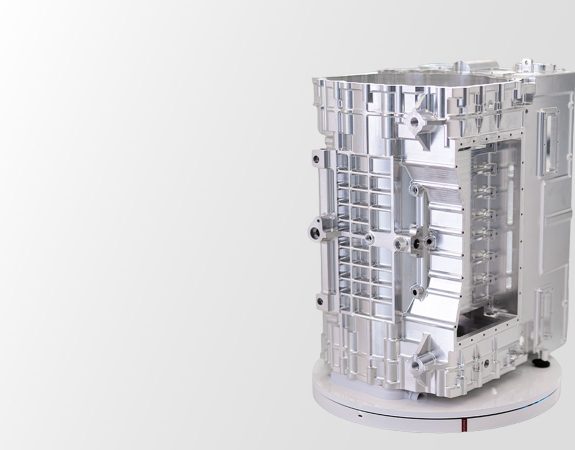
High speed, high precision prototypes and production services. Order CNC parts – lead times as fast as 4 days.
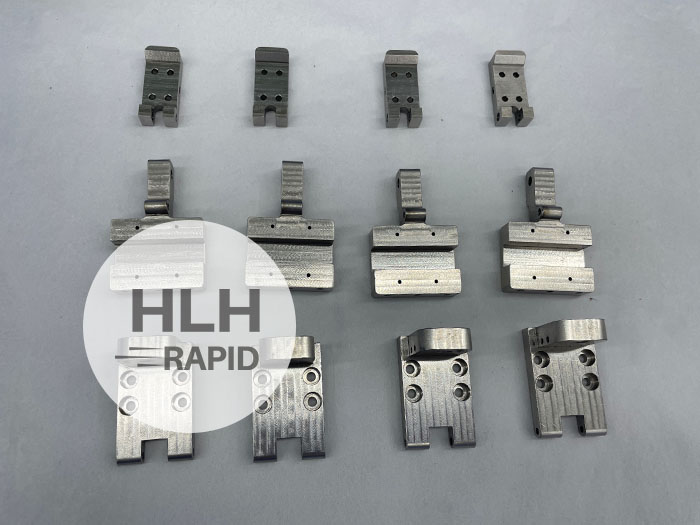
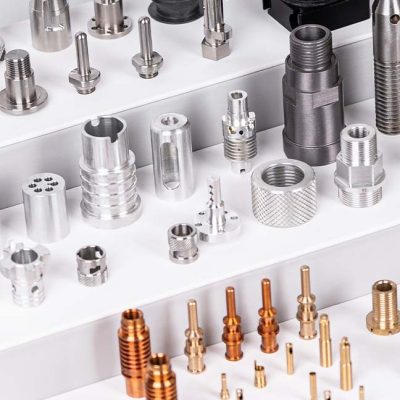
HLH Rapid provides Custom CNC Machining Services for rapid prototyping, batch production and complex parts. Our advanced CNC machining capabilities are trusted by engineers and industrial designers from innovative startups to Fortune 500 companies across the Automotive, Aerospace, Medical and Robotics industries.
All parts are made in-house with over 150 high-tech machines, including 3-, 4- and 5-axis CNC mills, lathes, wire EDMs, countersinks and surface grinders. With in-process and 100% final QC inspection, we deliver high-precision custom components with exceptional quality and fast turnaround times.
| Maximum machining size | 3000 x 1200 x 850 mm (118.1 × 47.2 × 33.5 inches) |
| Materials | 100+ metals, plastics, composites |
| Standard tolerance | ±0.002″ or tighter upon request |
| Quantity | 1 to 100,000+ parts (No MOQ) |
| Lead time | From 4 days |
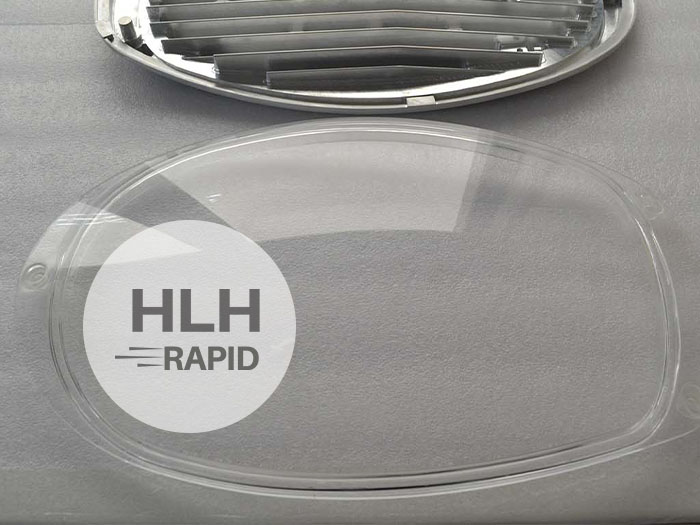
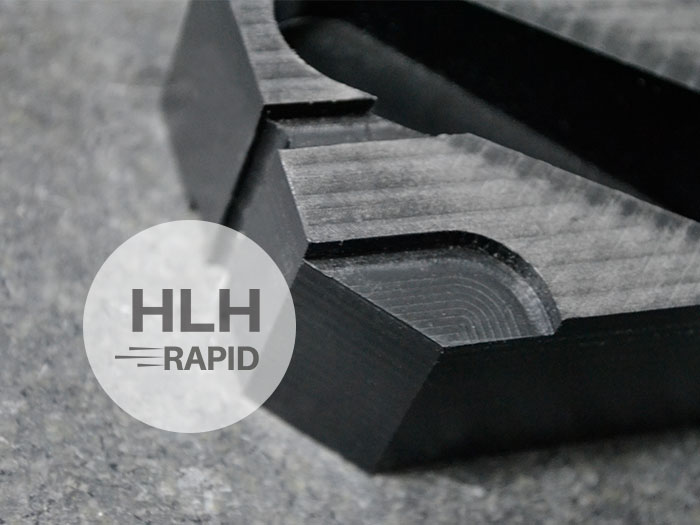

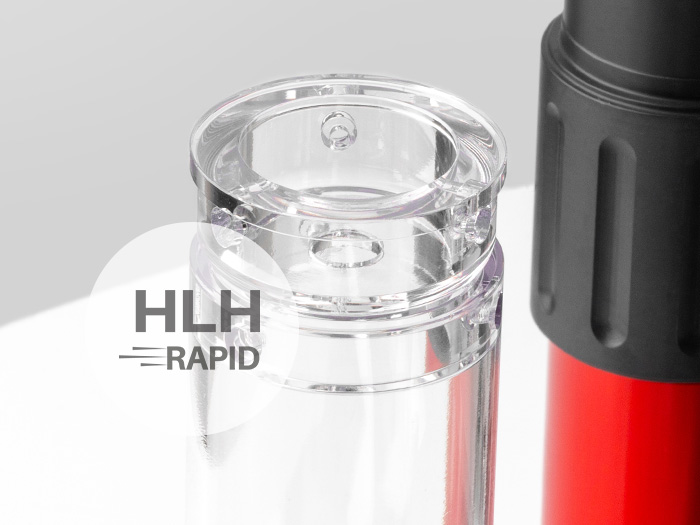

Get a quote / Get in touch
Please use the following formats:
.stl, .obj, .wrl, .step (.stp), .iges (.igs), .3mf, .dxf and .zip
100mb max file size (per file)
If you have a file type not listed, please contact us to discuss first.
UK Office: Suite 11 & 12A, 44 Potternewton
Mount, Leeds, LS7 2DR, United Kingdom
Company Number: 12704810
VAT Number: GB393458263
Factory: Building A, Hongfa Industrial District
Houda Road, Daling Shan, Dongguan,
Guangdong, China

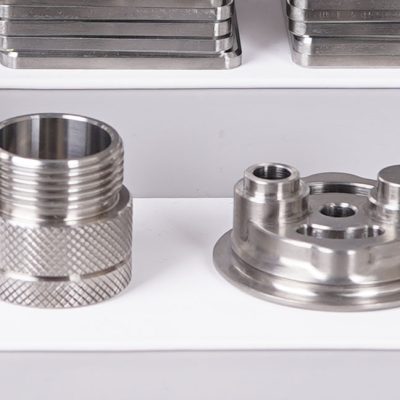
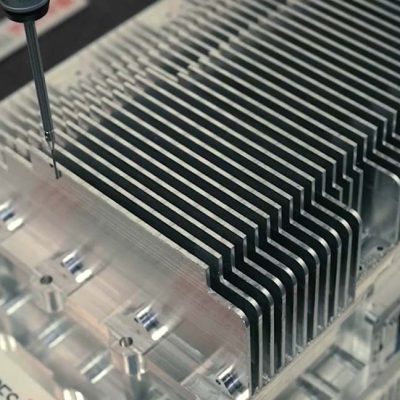
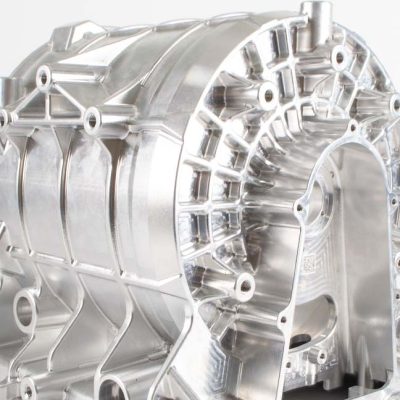
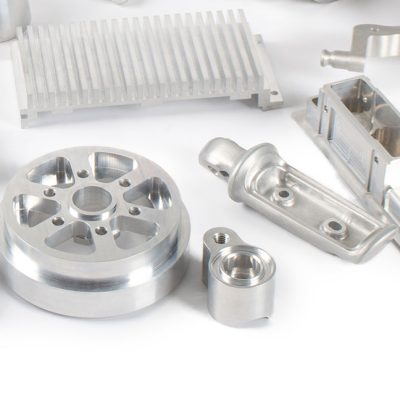
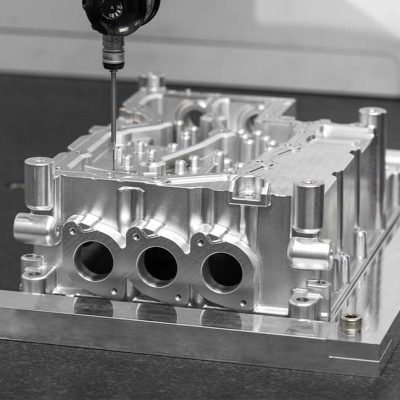
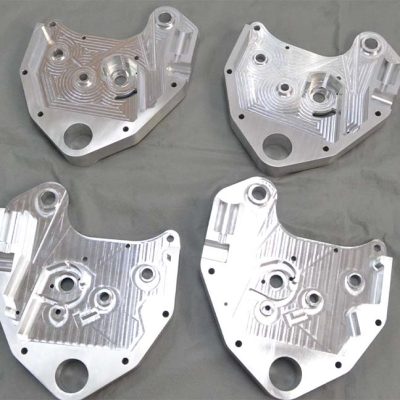
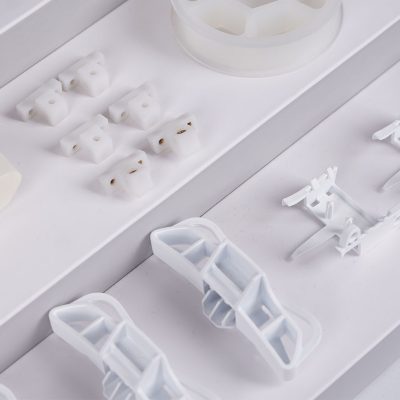
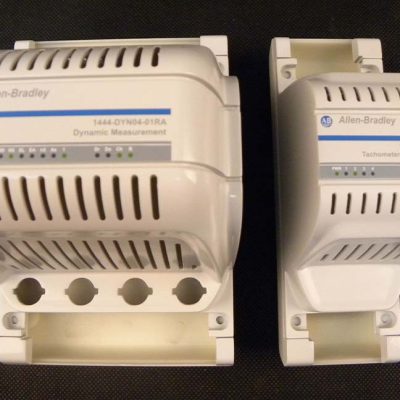
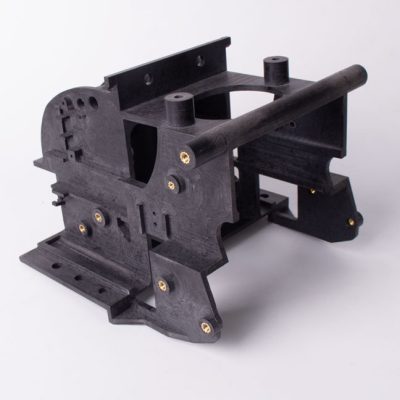
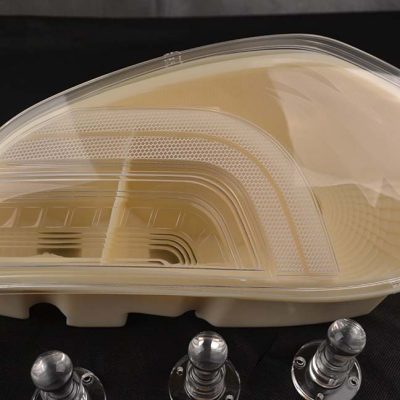
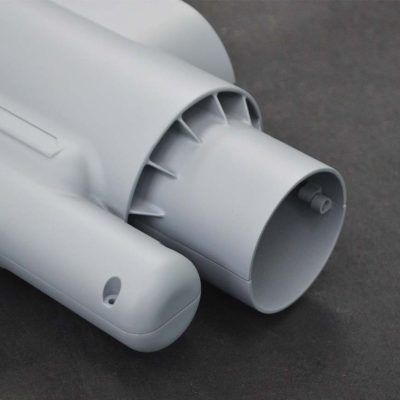
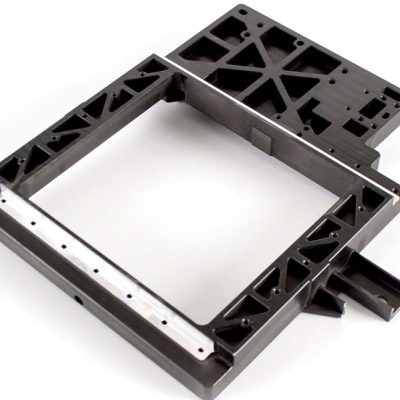
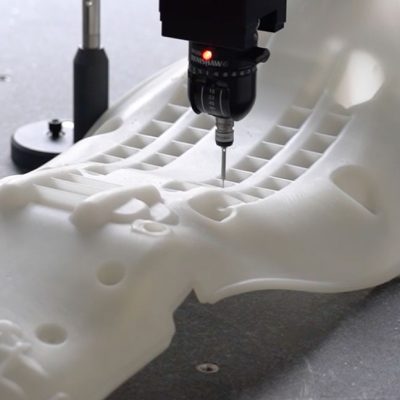
At HLH, tolerances are controlled to DIN ISO 2768-1 Fine (F) for metals and Medium (M) for plastics as standard for CNC prototypes. Tighter tolerances available on request.
| Metals With Drawing | Metals No Drawing | Plastics With Drawing | Plastics No Drawing | |
|---|---|---|---|---|
| Linear Dimension | ±0.01mm | ISO 2768 Fine | ±0.05mm | ISO 2768 Medium |
| Hole Diameters | ±0.008mm | ISO 2768 Fine | ±0.05mm | ISO 2768 Medium |
| Shaft Diameters | ±0.004mm | ISO 2768 Fine | ±0.05mm | ISO 2768 Medium |
Our CNC Rapid Prototyping Services guarantee quick turnaround without compromising quality, with lead times as fast as 4 days for one-off prototypes, complex functional parts and low-volume production. Simply submit your 3D CAD file (.STEP format) to receive a quote within 24 hours, with parts delivered via express shipping across the USA, UK and Europe.
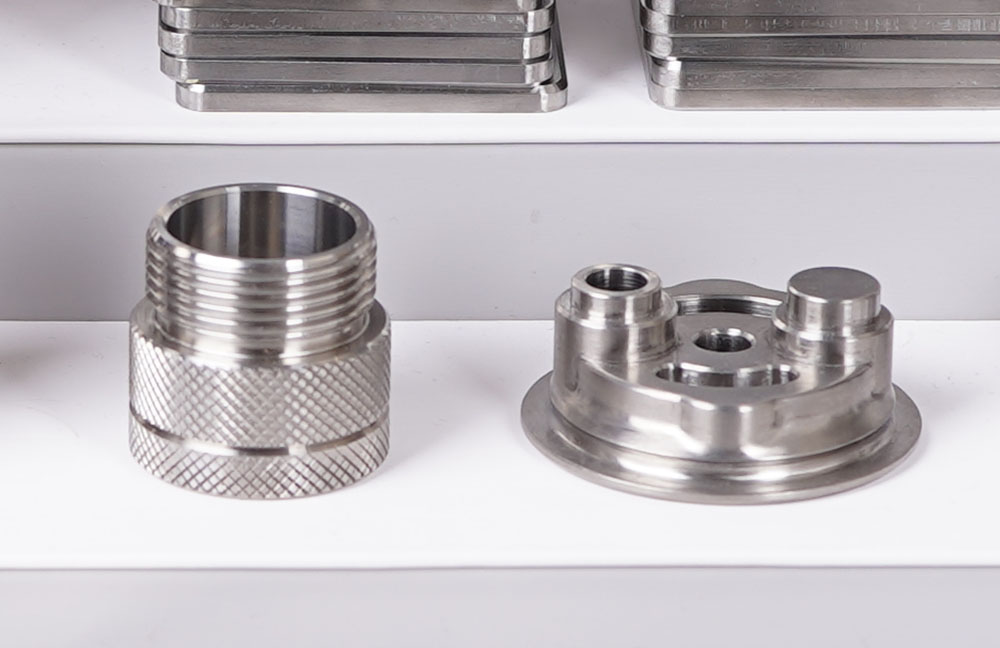
We also offer CNC Machining Services for high-mix low-volume production, delivering consistent part quality, tight tolerances and fast turnaround times. Our full in-house capabilities ensure a smooth transition from prototype to production quantities, enabling engineers and industrial designers to develop quality parts faster and more cost-effectively.
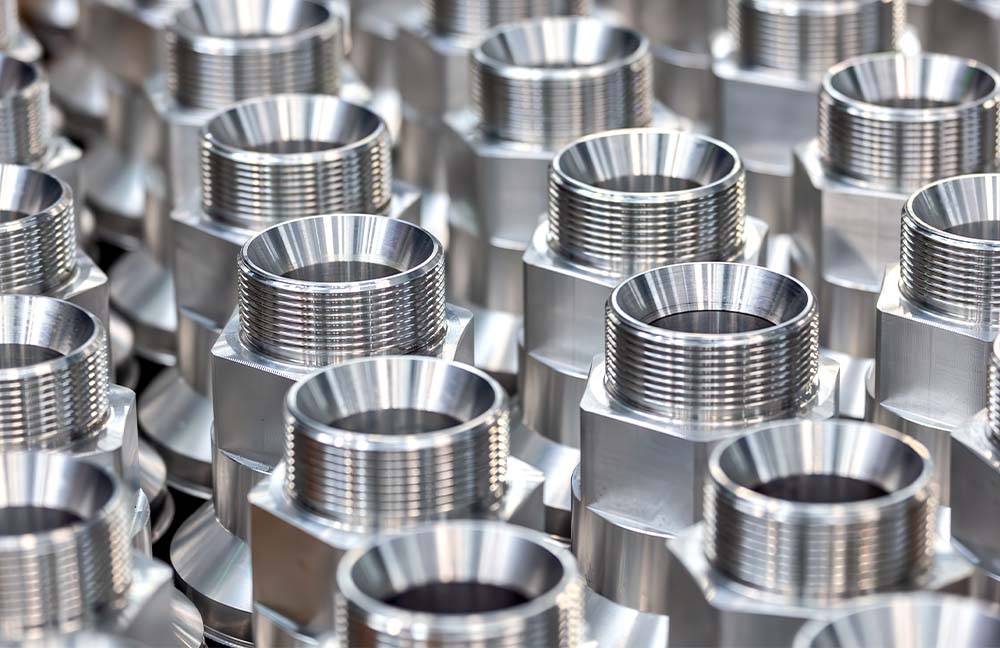
To achieve better part quality and dimensional accuracy, it is important that your CNC model closely follows a set of subtractive manufacturing design rules. Learn how to design threads, cavities, internal edges and more.

Case study
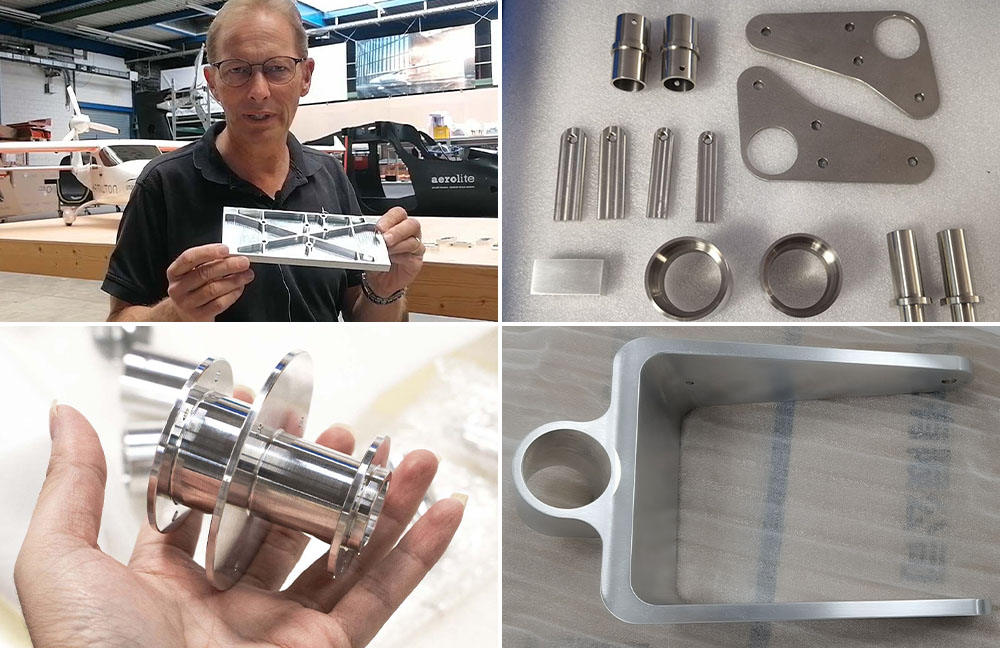
Services Used: CNC milling (3- and 5-axis), CNC turning
Materials: AL7075-T6, AL6061, SS304
Parts Made: Actuator, bearings, push rods, bellcranks, mounts, etc.
Results: 5 times faster lead times vs competitors
“I highly recommend HLH for fast CNC parts and manufacturing. They handle complex and tight tolerance aerospace-grade precision components with exceptional quality and service.”
Daniel Drożdż, CAD Design Engineer
Smartflyer, Switzerland
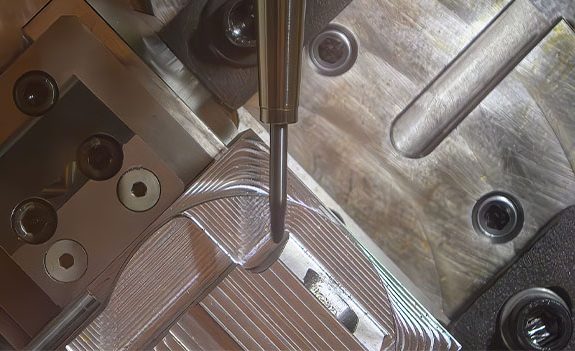
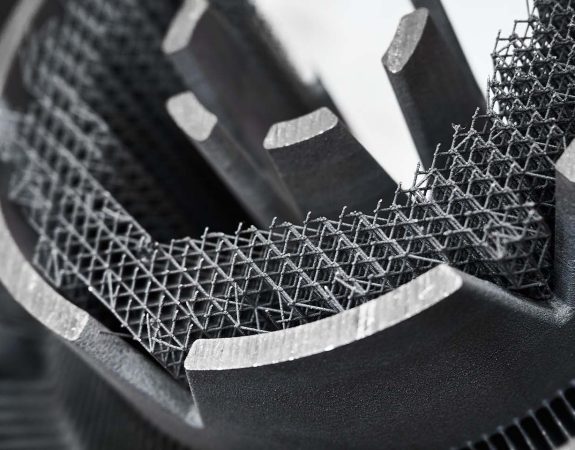
Compared with 3D printing, CNC machined parts are functionally stronger and typically have superior production quality and finish. Thus, CNC machining is usually used in the mid to late stages of product development, when parts are ready to be tested for functional accuracy.
When to Choose CNC Machining
CNC machining is ideal for projects that require high strength, precise tolerances and production-ready parts at scale. Due to its subtractive process, CNC is often faster for producing large parts. For components with complex internal geometries or lower strength requirements, additive methods such as SLA or SLS 3D printing may be more suitable.
Advantages of CNC Machining
CNC (Computer Numerical Control) machining is a subtractive manufacturing process that uses pre-programmed software and digital instructions to control and automate the movement of precision tools and machines.
The process begins with a solid piece of material (called a billet or workpiece). Tools and drill bits cut away material selectively to create the desired part. Unlike additive manufacturing, which builds parts layer by layer, CNC machining removes material to achieve the final shape, making it ideal for high-precision metal and plastic components.
CNC prototyping uses computer-controlled machines to make precise prototypes from digital designs. These machines carve out shapes from materials like plastic, metal or wood based on the design. Starting with a digital model, the CNC machine follows exact instructions to create the prototype, ensuring high accuracy and intricate details.
Unlike traditional prototyping methods, CNC rapid prototyping allows for iterations within days. This process speeds up product development by allowing quick testing and adjustments before making the final product. Industries like automotive, aerospace, medical and electronics use CNC prototyping to test concepts, refine designs and ensure quality before mass production. It’s a vital step that brings ideas to life, improving products and meeting high standards.
CNC parts can range from $1–$50 for simple components to several hundred dollars or even $1,000 or more for complex parts. Prices vary depending on part size, material, tolerance, complexity and machining time.
Compared to additive manufacturing, CNC machining often allows for volume discounts on larger orders or multi-batch production. Learn How Suppliers Calculate the Cost of Your CNC Part.
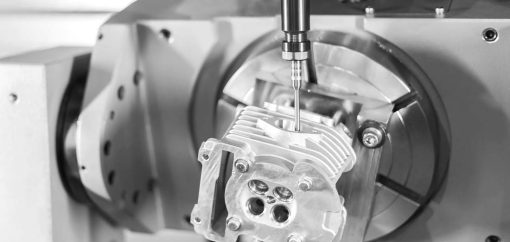
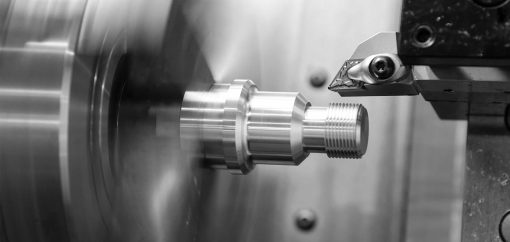
The two primary CNC machining processes are CNC milling and CNC turning.
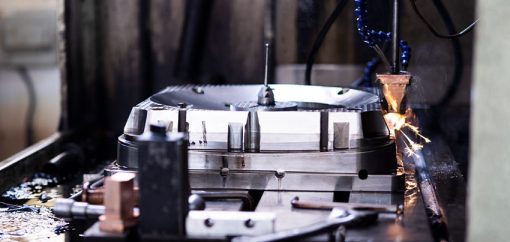
At HLH, we also combine a range of other machining processes and tools to meet complex requirements, including:
The aerospace, automotive, electronics, robotics and medical industries are among the largest users of CNC machining. Other industries that also heavily rely on CNC for high-precision and rapid parts and prototypes, include the oil and gas and consumer good sectors.
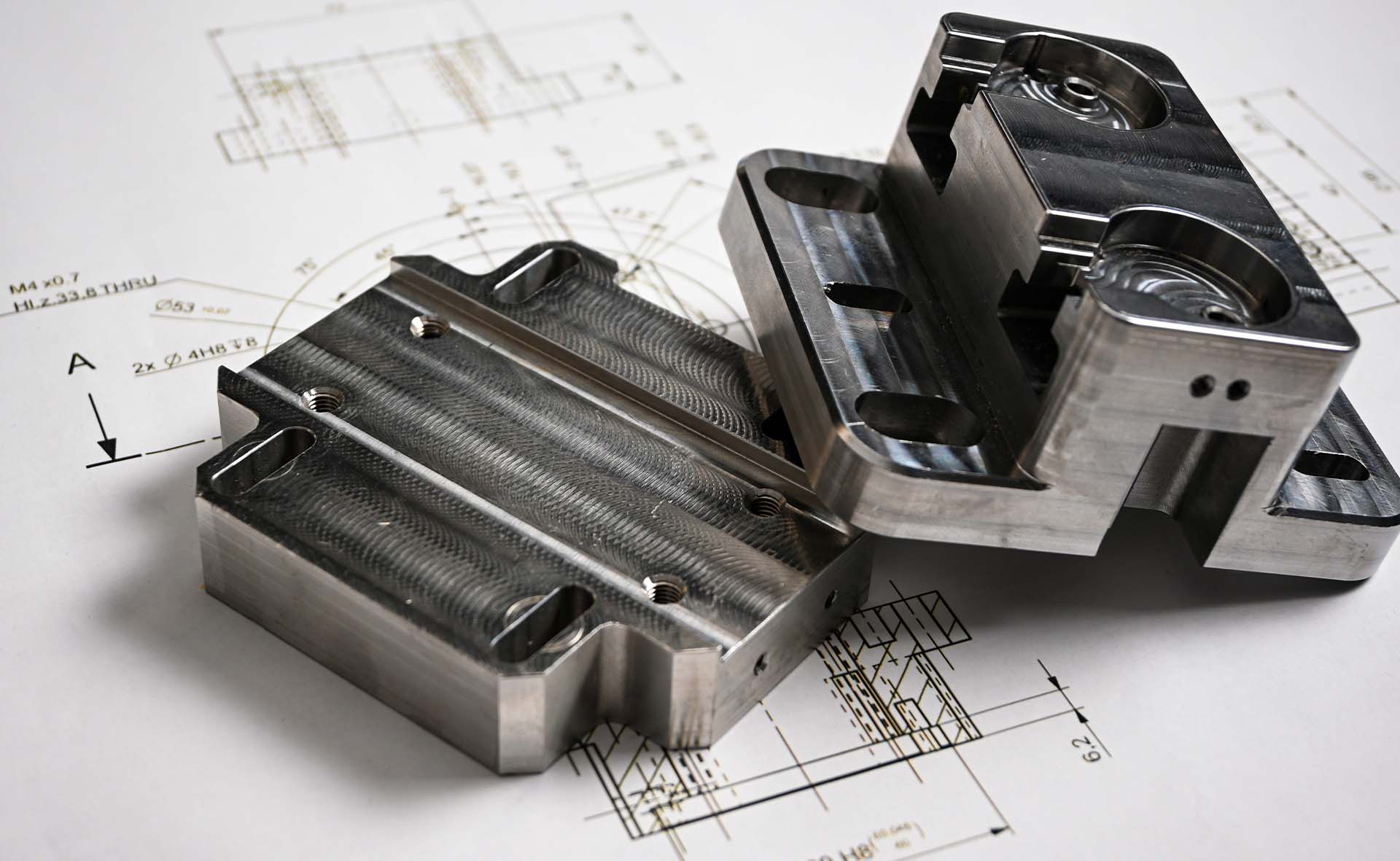
For features not otherwise specified, standard tolerances apply. These are industry-accepted allowable deviations from a nominal dimension. The standard machining tolerance is ISO 2768 Fine (F) for metals and Medium (M) for plastics. Tighter tolerances are then available on request.
In this In-Depth CNC Machining Tolerance Guide, learn about different types of tolerances, the tightest tolerances achievable with CNC machining and how to correctly specify tolerances on your 2D drawings.
CNC machining is generally recommended over 3D printing when functional strength, production quality and material versatility are priorities. Machined parts are typically stronger, more precise, and offer a wider range of materials and surface finishes, making them ideal for rapid prototyping, end-use components and production parts. This is why CNC is typically used in the mid to late stages of development, when parts are ready to be tested for functional testing and validation.